Krabi Boat Tours Guide
Krabi is one of Thailand’s best island hopping destinations, with more than 100 islands, limestone cliffs, hidden lagoons, and beaches reachable by longtail boat or speedboat.
Discover what a customizable four- or six-hour private 4 Islands longtail could add to your Krabi stay. Explore Private 4 Islands Longtail.
Last updated: June 17, 2026
Krabi has more than 100 islands accessible by boat, and the 4 Islands and Hong Island routes are where most travelers start. Group speedboat tours run around 900-1,200 THB per person; private longtail charters start at 2,500 THB for the whole boat. The dry season (November to April) is when conditions are at their best. Book direct with a local operator, confirm national park fees are not included in the base price, and always get a written itinerary before departure.
Booking choice: A private longtail offers four- or six-hour 4 Islands options, custom routing, swimming, snorkeling, drinks, fruit, and Ao Nang-area transfers. Check dates for Private 4 Islands Longtail.
Quick Facts: Krabi Boat Tours
| Main departure point | Ao Nang (Ao Nam Mao Pier) |
| Most popular routes | 4 Islands, Hong Island, Phi Phi Islands |
| National park fee (foreigners) | 200-400 THB/adult, 100-200 THB/child (paid separately) |
| Best season | November to April (dry season) |
| Peak months | December to February |
| Typical tour length | 6-8 hours (full day) |
Minimum age Varies by product; check age bands and restrictions before booking
Private speedboat pricing Compare live fares, capacity, transfers, and included fees
Private longtail pricing Check the charter, duration, capacity, and extras for your date
Group tour pricing Check live listings for your travel date and selected route
Which Krabi Boat Tour Is Best for First-Time Visitors?
For most first-timers, the 4 Islands speedboat tour covers the widest range in a single day: Tup Island , Chicken Island, Poda Island , and Phra Nang Cave Beach. One current 4 Islands speedboat listing runs five to six hours and includes snorkeling gear and lunch, with pregnancy, spinal, and cardiovascular restrictions. If you prefer a private format, one Hong longtail listing offers a customizable six-hour route covering two or four islands. Related reading: snorkeling stops
The first question we ask new travelers is how much time they want to spend on the water versus on the islands. Most people say “as little as possible, as much beach as possible.” That’s the 4 Islands tour. You’re moving between stops, snorkeling in clear water, eating lunch on a beach, and back to your hotel by late afternoon. Nothing too demanding, nothing too rushed.
Hong Island runs differently. You’re going deeper into a national park, the lagoon is only accessible through a narrow limestone entrance, and the beaches are quieter. It takes a bit more out of you physically, but travelers who go that route tend to feel like they found something real rather than just checked a box.
Where first-timers often go wrong: booking a Phi Phi Islands day trip on day one. Phi Phi is spectacular, but it’s a long day, the boats are crowded, and Maya Bay has strict time windows now. Save Phi Phi for once you’ve got your sea legs. Start closer, start calmer. If you’d rather hand the logistics to a tour operator, start with the Hong Islands speedboat or a private 4 Islands longtail charter.
First time booking the 4 Islands tour in Krabi and not sure what a fair price actually covers? Here’s our Krabi 4 Islands tour guide so you compare operators on equal terms and don’t get caught short on the water.
What Are the Most Popular Krabi Boat Tour Routes and Islands?
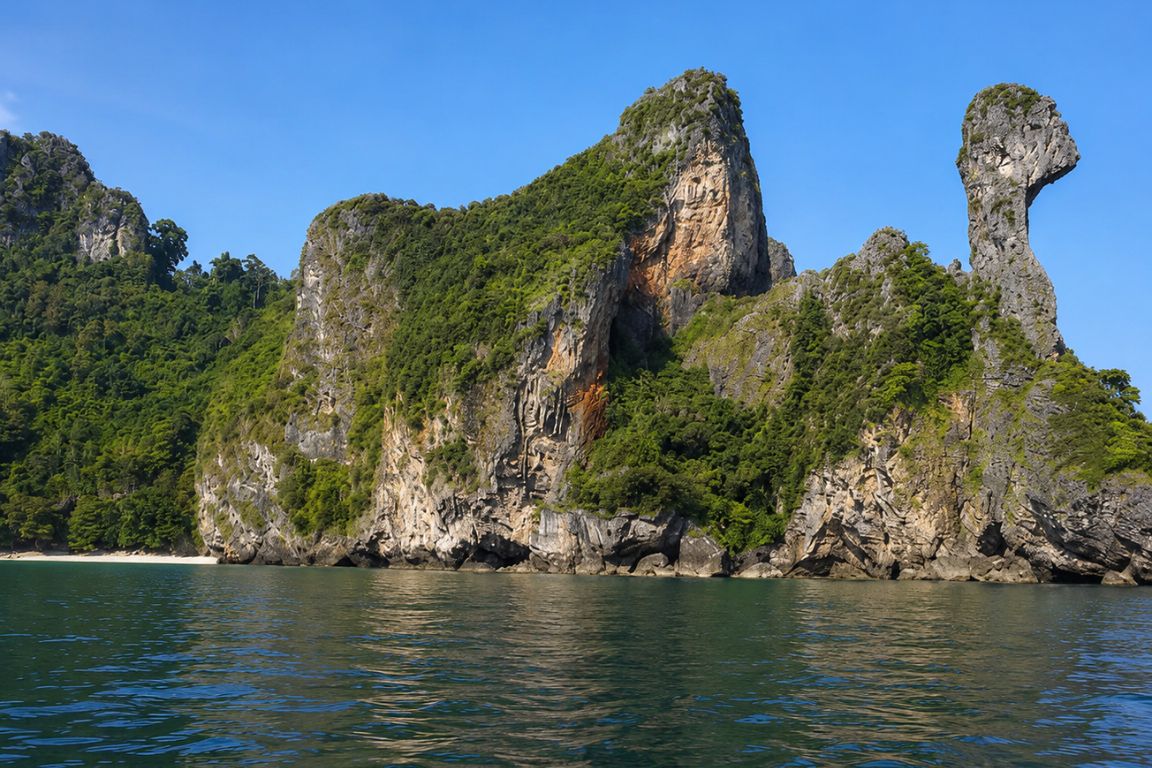 The four routes that account for the majority of Krabi boat tour bookings are: 4 Islands (Tup, Chicken, Poda, Phra Nang), Hong Island (including Hong Lagoon), Phi Phi Islands (Don and Leh, including Maya Bay), and the 7 Islands sunset route. Each offers a different experience in terms of travel time, scenery, and what you do when you arrive.
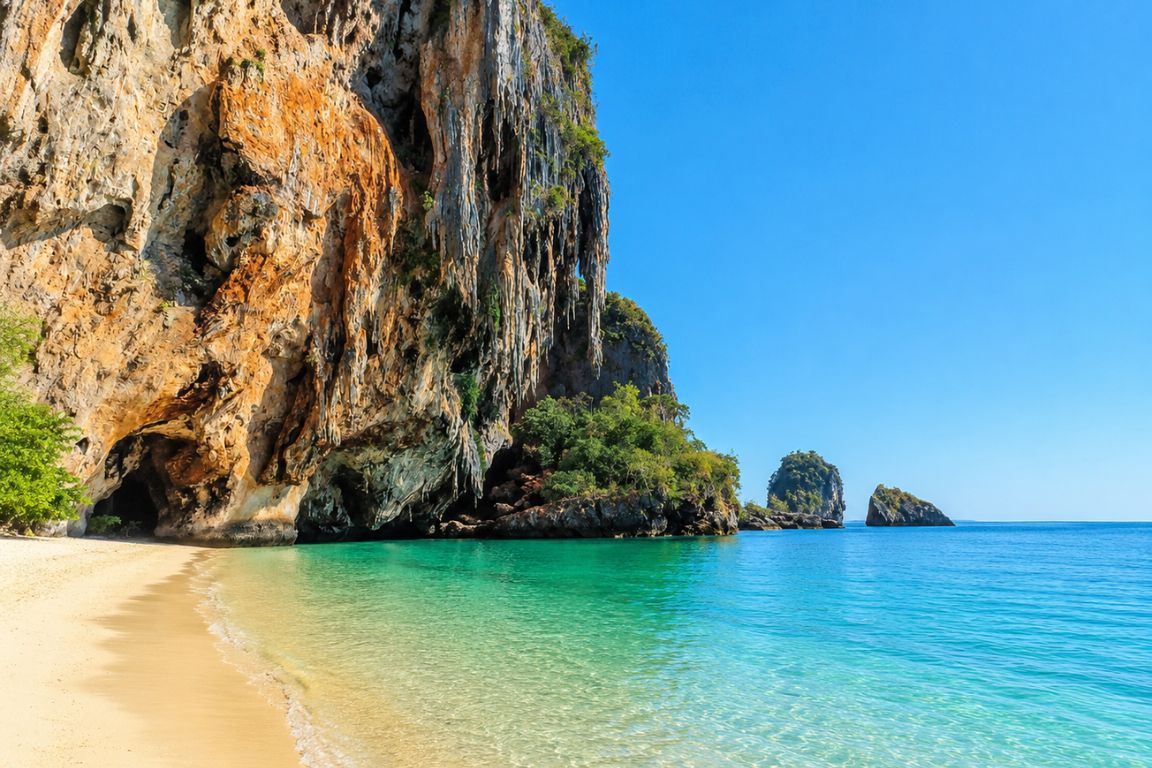
The 4 Islands circuit is the workhorse of Krabi tourism. Chicken Island gets its name from a rock formation that actually looks like a chicken head when you approach from the south. Tup Island has the sandbar that connects to the neighboring island at low tide, a feature that photographs absurdly well and requires almost zero effort. Poda Island has the clearest water on the route. Phra Nang Cave Beach is one of the most visually dramatic beaches in southern Thailand, with limestone cliffs rising directly from the sand.
Travel time to Hong Island varies with the departure point, vessel, route, and sea conditions. The lagoon inside the island is the draw: surrounded on all sides by limestone, completely sheltered, the water a shade of green that doesn’t look real until you’re in it. Kayaks let you enter at low tide when boats can’t. The beaches at Lao Lading and Pakbia are where you’ll find the shallow, calm water that works particularly well for families.
We’ve put together a full comparison in our Hong Islands vs 4 Islands guide so you know exactly which route fits your priorities, group size, and what you actually want from a day on the Andaman Sea.
| 4 Islands | 15-40 min (varies by island) | First-timers, mixed groups | High |
| Hong Island | 20 min (longtail) | Families, nature seekers | Medium |
| Phi Phi Islands | 45-90 min (speedboat) | Snorkelers, longer-stay travelers | Very High |
| 7 Islands Sunset | Varies | Couples, photographers | Medium-Low |
| Railay Beach (longtail) | 15 min | Rock climbers, beach lovers | Medium |
The 7 Islands sunset tour is the one that doesn’t get enough credit. You’re out on the water as the limestone karsts catch the last light, the sky turns pink behind them, and the tour groups from the morning routes have already left. It’s a different Krabi entirely.
Want a practical island hopping plan that actually fits around your other Krabi activities and rest days? Here’s our Krabi island hopping itinerary guide so nothing clashes and nothing gets missed.
How Much Does a Krabi Boat Tour Cost in 2026?
Group-tour prices vary by route, vessel, date, inclusions, and whether park admission is included. Private-longtail capacity and pricing vary; one supplied charter allows up to ten travelers and offers four- or six-hour options. Check live private-speedboat fares and compare capacity, duration, transfers, fees, and meals. Park-admission treatment varies by outing: some listings include it, while others list a separate route-specific charge.
The price gap between a group tour and a private charter looks significant until you do the per-person math with a family or group of four. For a private charter, divide the live total by your group size and add separately listed admission, meals, guide, pier, and transfer charges.
What most advertised prices leave out: the national park fees. Depending on which islands your route covers, you’ll pay 200 THB (4 Islands, foreigners) or up to 400 THB (Phi Phi area) per adult, separately, usually in cash to a ranger on arrival. Children get roughly a 50% discount. Budget for it. The other hidden cost is the pier docking fee at Ao Nam Mao: 10 THB per person, small but worth knowing.
Compare live totals by route, duration, vessel, capacity, transfers, meals, guide service, park admission, pier charges, and optional activities.
Rainy-season pricing varies by operator, product, and travel date, and you’ll often have beaches to yourself on the days tours do run. The trade-off is that conditions are genuinely unpredictable, and same-day cancellations happen. If you’re flexible, that shoulder period right at the start of the dry season (November) tends to combine decent prices with reliable conditions.
Krabi’s rainy season is more nuanced than most Thailand travel blogs make it sound – our Krabi in rainy season guide breaks down what actually shuts down, what stays open, and where the genuine value lies in visiting off-peak.
Speedboat Vs. Longtail Vs. Catamaran: Which Boat Type Should You Choose?
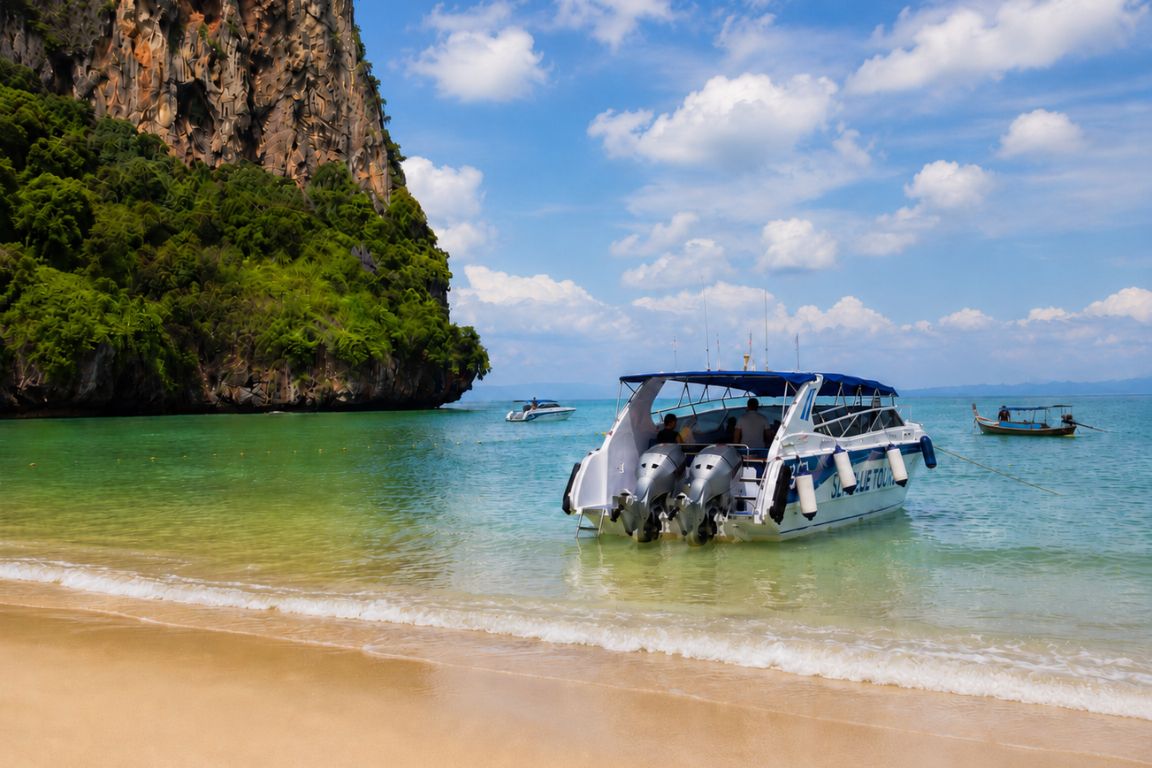 Longtails are the traditional choice for nearby islands and smaller groups; they’re slower, more exposed, and closer to the water, which makes the experience more tactile and local. Speedboats are the choice for Phi Phi or longer routes where travel time matters. Catamarans and sailing boats suit travelers who want a premium experience, more comfort, and don’t mind a slower pace.
The longtail is the boat that belongs here. It’s a 10-meter wooden hull with a converted farm engine on a long pivoting shaft, and the sound it makes is somewhere between a tractor and a very determined lawnmower. You sit close to the waterline. The spray reaches you on any kind of chop. Shade depends on what the operator has rigged up. It’s authentic in the way that things are authentic when they haven’t been optimized for tourism yet, and that’s precisely what a lot of travelers come to Krabi for.
Speedboats cover ground faster, sit higher, and generally have more organized seating. If you’re taking children, families with young kids often find the speedboat easier to manage for longer routes. The 45-minute crossing to Phi Phi by longtail eats into island time significantly. Speedboat crossing time varies by departure point, route, stops, and sea conditions.
| Traditional longtail | Local feel, nearby islands, private small groups | 8-10 | Slow (25-30 km/h) | Low |
| Group speedboat | Covering multiple islands, Phi Phi day trips | 20-25 | Fast (50-60 km/h) | Mid |
| Premium speedboat | Families, comfort-focused travelers | 12-18 | Fast | High |
| Catamaran/sailing boat | Sunset cruises, honeymooners, full-day leisure | 10-30 | Slow/wind-dependent | Mid-High |
The catamaran option gets overlooked. For a sunset circuit around the islands, a sailing boat with a seafood BBQ on deck is a genuinely different evening. It’s not for people who want to cover the most ground; it’s for people who want to feel like the islands belong to them for a few hours.
Want an honest comparison between the two main ways to explore Krabi’s coastline before you hand over your money at the pier? Here’s our longtail boat vs speedboat in Krabi guide so you choose wisely.
When Is the Best Time of Year to Book a Krabi Boat Tour?
 The dry season from November to April is when conditions are most reliable: calm seas, blue skies, and snorkeling visibility that can exceed 20 meters in December through March. December to February is peak season with the best weather and the most people. March and April offer excellent conditions with slightly smaller crowds. May to October is monsoon season; tours still run on good days but cancellations are common.
December through February is the sweet spot on paper. The Andaman Sea settles, the limestone cliffs catch the morning light in a way that looks staged, and the water temperature stays between 27 and 30 degrees Celsius year-round so no wetsuit is needed. The downside is that everyone else has read the same travel guides. Ao Nang piers are busy, beach space at popular stops is limited, and advance booking matters for private charters.
March and April tend to get overlooked. The weather holds, seas stay calm, and visitor numbers drop noticeably from the December peak. April also brings Songkran, Thailand’s water festival, which adds something different if you’re in Ao Nang town between the 13th and 15th. For snorkeling specifically, February to March produces the clearest water.
| Nov | Calm, improving | Good (10-15m) | Medium | Mid |
| Dec-Jan | Excellent | Very good (15-20m) | High | Peak |
| Feb-Mar | Excellent | Best (up to 20m+) | Medium-High | Mid-High |
| Apr | Good | Good | Medium | Mid |
| May-Oct | Variable, rough | Reduced (plankton, sediment) | Low | Low (20-30% cheaper) |
One thing the booking platforms don’t tell you: even in peak season, tours depart before 8am for a reason. The crowds at popular stops like Phra Nang Cave Beach build steadily through the morning and peak around midday. The travelers who board first are done with the busiest stops before most group tours arrive. It’s worth asking your operator what time the boat actually leaves the pier, not what time the hotel pickup is.
Trying to figure out which months give you the best combination of good weather, flat water, and manageable crowds on Krabi’s most popular island routes? Check out our best time for boat tours in Krabi guide before you lock in your dates.
What Marine Life Can You Actually See on a Krabi Boat Tour?
Snorkeling tours provide time in the water, but species sightings depend on the site, season, visibility, and conditions and are not guaranteed. With better conditions or a guide who knows the reefs, blacktip reef sharks at Chicken Island, hawksbill sea turtles near Hong Island and Koh Haa , and bioluminescent plankton on night tours are all genuine possibilities, not just marketing promises.
The parrotfish get most of the attention because they’re large, colorful, and constantly moving. They’re grazing on coral algae with beaks that actually crunch audibly underwater. What most people don’t know until someone tells them: parrotfish digestion produces a significant portion of the white sand on these beaches. Every soft white beach you walk on has partly been processed through a parrotfish. That tends to change how people look at them.
Blacktip reef sharks come up frequently in traveler reviews because the word “shark” creates anticipation, and then people either don’t see one or can’t believe how small and unbothered they are. They’re typically under a meter long, they prefer shallow reef edges, and they move away from snorkelers rather than toward them. Sightings around Chicken Island vary with conditions and are not guaranteed. If your guide knows the reef, a shark sighting is realistic, especially in the early morning before the water gets busy.
Sea turtles are less predictable but present. Hawksbill turtles graze on seagrass beds and drift past coral heads around Hong Island and the outer Koh Haa group. The guides who have been running these routes for years know where to look and what time of day produces the best chances. From February to April, deeper areas near Phi Phi carry a small but real chance of a whale shark encounter. They’re filter feeders, slow-moving, and genuinely enormous. One sighting tends to be what travelers talk about for the rest of their trip.
At night, near Hong Island on moonless evenings, bioluminescent plankton turns the water into something that looks like a special effect. When you move your hand through it, the disturbance triggers a cold blue glow around your fingers. It’s the kind of thing that’s hard to describe and impossible to properly photograph, which is why it produces some of the strongest word-of-mouth reviews we hear from our travelers.
Questions about what’s realistic to see on your specific dates? The Hong Islands day with a bioluminescent snorkel lists the reef stops and the night swim so you can compare them with your dates.
We’ve put together a full underwater breakdown in our marine life in Krabi guide so you know exactly what to expect beneath the surface, which sites to prioritize, and which tours actually take you to the right spots.
What Are the Best Krabi Boat Tours for Families with Kids?
One private Hong longtail offers a six-hour customizable route covering two or four islands, with life jackets, snorkeling masks, drinks, fruit, and Ao Nang-area transfers. The 4 Islands group tour works well for older children (7+) who can handle a longer day and are comfortable in open water.
The core issue with families is unpredictability. A 3-year-old who was fine on the boat at 8am is a different proposition at 1pm in direct sun after two snorkeling stops and lunch eaten cross-legged on a beach. Private charters solve this because the boat is yours. You go back when you need to, full stop. No negotiating with a group operator about departure times.
Hong Island’s beaches at Pakbia and Lao Lading have shallow, gentle water that doesn’t require any swimming ability to enjoy. Children can wade in waist-deep water and watch fish below them with a basic mask. The lagoon inside Hong Island is completely sheltered from any swell, making it the calmest snorkeling environment in the area.
For older kids who want something more exciting, speedboats get a better reaction than longtails. The crossing itself becomes part of the experience rather than something to endure. Kids respond to the speed and the spray in a way that longtail passengers don’t, and the faster transit means more time at islands rather than sitting on the boat.
| 4 Islands group speedboat | 7+ years | More ground covered, faster boat | Fixed schedule, can’t shorten the day |
| Private 4 Islands longtail | 5+ years | Privacy, pace control | Slower crossings; longer day overall |
| Phi Phi day trip | 10+ years | Most dramatic scenery | Long day (8+ hours), high crowds, not recommended for young children |
Private Hong Island longtail Check individual eligibility Six-hour customizable route Product-specific health restrictions apply
One practical note from the boats: reef-safe sunscreen only in the water. Conventional sunscreens contain oxybenzone and octinoxate which damage coral. Many operators now ask guests to use mineral-based alternatives. Bring your own rather than relying on whatever’s available at the pier, and apply it 20 minutes before entering the water so it bonds to skin rather than washing directly into the reef.
Bringing the family to Krabi and not sure which boat tours are genuinely suitable for children beyond just being marketed as family-friendly? Here’s our Krabi boat tours with kids guide so you plan a day everyone actually enjoys.
What Should You Know Before Your Krabi Boat Tour Departs?
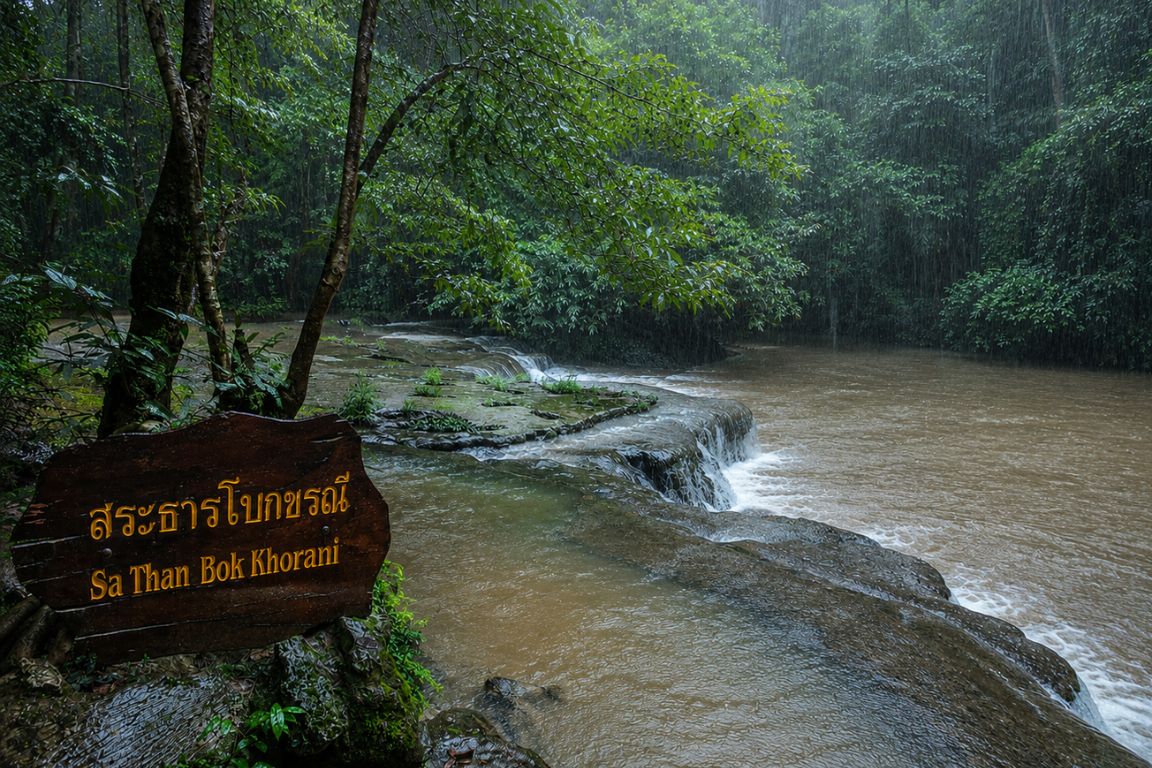 Bring cash for national park fees (200-400 THB per adult foreigner, paid on arrival at the park, not to your tour operator). Use reef-safe sunscreen only. Confirm pickup time the evening before. Pack light: one dry bag or a small waterproof pouch for your phone and documents, one change of clothes, water shoes if you have them, and more water than you think you need.
The national park fee is the detail that trips up more travelers than anything else. It doesn’t appear prominently in tour descriptions, and the amount varies by route. It’s collected in cash by a ranger at the park entrance, and if you’ve only brought card or don’t have the right amount, that creates a problem on a boat surrounded by water. Know the fee for your route before you leave your hotel. Carry the cash separately from your wallet.
Water shoes or sandals with grip are genuinely useful. Longtail boat boarding at Ao Nam Mao Pier involves stepping across wet surfaces and sometimes through shallow water if the boat anchors offshore. It’s not dangerous, but flip-flops on a wet fibreglass deck are the most common way people have a bad morning before the tour even starts.
Motion sickness is real on open water, especially on speedboats in any kind of swell. Ask a clinician or pharmacist about medication suitability. Sit at the back of the speedboat rather than the front: less vibration, less vertical movement, and you’re looking at where you’ve been rather than staring at the horizon.
What Do Travelers Consistently Get Wrong About Krabi Boat Tours?
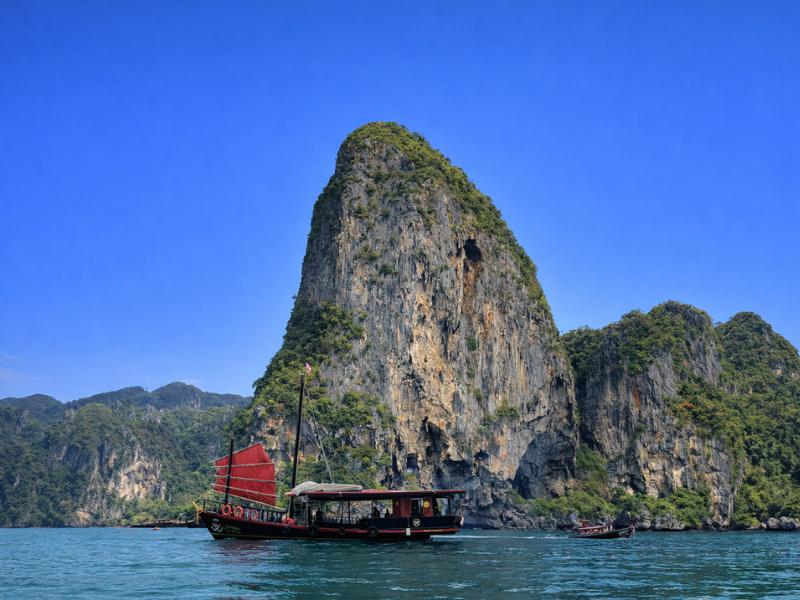
The most consistent mistakes: booking the cheapest group tour without confirming what’s included, underestimating how much sun exposure a full day on the water involves, arriving at the pier without cash for park fees, and assuming the advertised pickup time matches when the boat actually departs. These are fixable, and knowing them in advance separates a great day from a frustrating one.
The pickup confusion is the issue we hear about most. A tour operator books your pickup for 7:40am. The boat departs at 6:00am. Between those two times, something fell through the cracks and nobody told you. It happens more often with large booking platforms that work through third-party local operators, where communication chains are long and accountability is diffuse. The evening before your tour, call or message the actual operator directly, confirm your pickup time in writing, and get a number you can reach if something goes wrong. This quick check can reduce avoidable pickup confusion.
The sunburn problem is underestimated every single season. You’re on the water, there’s a breeze, the sky might be partly cloudy, and none of that stops UV radiation at sea level. Travelers who burn on a boat tour typically applied sunscreen once at the hotel and didn’t reapply after entering the water. Bring a rash guard. Apply SPF 50 at least twice during the day. This is not cautious tourist behavior; it’s what the guides do.
Assuming cheaper means worse value isn’t always right, but assuming cheaper means the same experience definitely is. Two tours priced at 900 THB and 1,200 THB for the same 4 Islands route are usually not the same. The difference tends to be guide knowledge, boat condition, group size, and what happens when something goes wrong. A guide who has run a route hundreds of times knows where the fish actually are, which stop to hit first before the other boats arrive, and what the conditions are doing that day. Compare the documented inclusions, vessel, schedule, capacity, and policies before deciding whether a higher fare offers value.
We’ve been navigating Krabi’s coastline for travelers since 2011. private 4 Islands longtail charter if you want the route set around your group.
Planning Checks Before Booking
Families should compare route length, vessel, age rules, health restrictions, and included equipment
Departure time is a useful comparison factor when reviewing current itineraries
Private charters offer a different format for travelers who value route customization
First-time visitors can compare 4 Islands with Hong and Phi Phi using current itineraries
Park-fee treatment should be checked on the specific product before departure
Guide knowledge can be considered alongside itinerary, vessel, inclusions, and policies
Private versus shared format and departure time are useful decision factors, but the article does not provide data supporting comparative return or satisfaction rates. The beach stops look different at 9am than they do at noon. The fish at the coral heads are more active in morning light. And the boat traffic that builds through the middle of the day hasn’t arrived yet.
How Do You Book a Krabi Boat Tour Without Getting Burned?
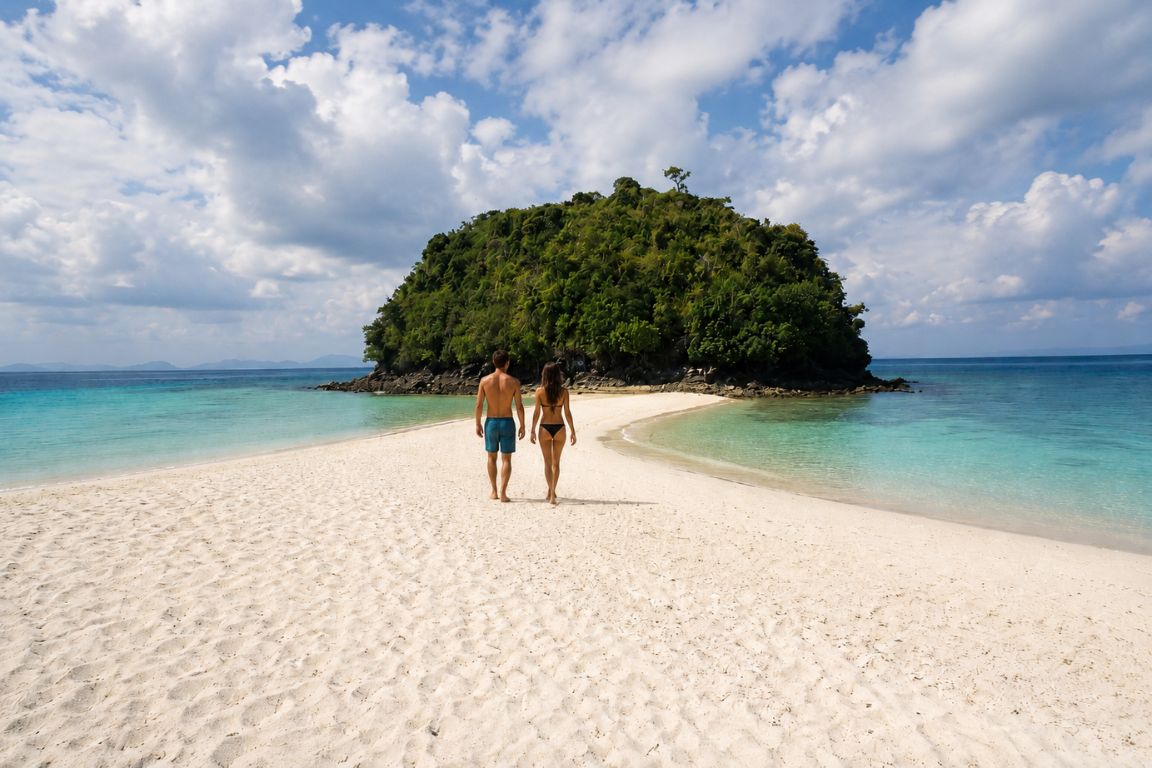 Book directly with a local operator where possible, get the full itinerary in writing before paying, confirm the national park fee situation clearly (included or not), ask specifically what happens if weather cancels the tour, and don’t book through a street kiosk on the morning of departure. For a specific travel date, compare current availability, itinerary details, inclusions, and cancellation terms before paying.
The large booking platforms (Viator, GetYourGuide, Klook) offer useful price comparison and review aggregation, but what you’re booking through them is a resale of a local operator’s seats. The platform earns a commission. The operator has already priced for that. Compare the final terms, inclusions, support, and cancellation policy offered by each booking channel. It’s worth a five-minute inquiry.
Read the cancellation policy before you pay anything. Weather cancellations are real in Krabi, especially from May through October, and what constitutes a full refund versus a rebooking credit versus “we’ll reschedule at our discretion” varies enormously between operators. An operator who offers free cancellation up to 24 hours before departure is telling you something about how they do business in general.
The final check: ask for the guide’s name and how long they’ve been running tours. This sounds like an unusual question, but it’s the single most reliable indicator of tour quality. A guide who has run the same route for five or more years knows things that no itinerary captures. They know which reef at Chicken Island has the most fish right now, whether the sandbar at Tup Island will be visible based on today’s tides, and how to read the clouds building over the mainland in a way that determines whether you push for one more stop or head back early. That’s not something you get from a rating on a booking platform.
Not sure whether booking a guided tour or renting a longtail and going independently gets you more out of Krabi’s islands? Here’s our Krabi tour vs DIY island hopping guide so you decide before you commit to either.
Questions before you commit? Compare the Hong Islands speedboat and the James Bond and Hong Islands speedboat from Krabi for inclusions and departure times.
Frequently Asked Questions
Are National Park Fees Included in the Tour Price?
It depends on the product: some listings include park admission, while others charge it separately. The fee is 200-400 THB per adult foreigner, paid in cash to a park ranger when you arrive at the islands. Your tour operator should tell you the exact amount for your route before departure. Always bring cash.
Can I Do a Krabi Boat Tour During Rainy Season?
Yes, tours run throughout the year, but May to October brings unpredictable conditions. Cancellations happen on short notice. If you’re visiting during this period, book with a free cancellation policy and keep your schedule flexible. Prices and visitor levels vary, so compare live dates and keep weather-dependent plans flexible.
How Far in Advance Should I Book?
For group tours in shoulder season, a day or two in advance is usually fine. For private charters in peak season (December to February), book at least a week ahead. Check live availability for your exact holiday dates before arranging related plans.
Is Seasickness a Concern on Krabi Boat Tours?
On calm days, longtail boats are gentle and most people have no issues. Speedboats on any kind of swell produce more motion. Ask a clinician or pharmacist about medication suitability, and ask the operator about vessel layout and expected conditions.
What’s the Difference Between the 4 Islands and Hong Island Tours?
The 4 Islands covers more stops and is better for first-timers wanting variety. Hong Island goes deeper into a national park with a more dramatic lagoon and calmer, shallower water. Families with young children often prefer Hong Island. Travelers who want a broader overview usually prefer the 4 Islands circuit.
Do Children Need to Know How to Swim?
Check the specific product’s equipment and safety instructions; several supplied outings list life jackets, but universal provision and rules are not established. Non-swimmers should confirm operator support, equipment, water conditions, and participation rules before booking snorkeling. Hong Island’s beaches have particularly shallow, gentle water that doesn’t require swimming ability to enjoy.
Written by Ryan Supakorn
Thai tour guide since 2011 · Founder, Krabi Boat Tours
Ryan writes about Krabi’s islands, lagoons, and coastline from his experience as a local tour guide and agency founder.
Check your travel date before arranging the rest of Krabi
Match the outing to your plans
Seasonal service limits can change the suggestion. A month is not confirmation of weather or available seats.
Blank fields keep the initial suggestion. Age pricing alone does not confirm suitability; if eligibility is unverified, the tool will not recommend a match. Check pickup and restrictions for your selected package.
Compare two total quotes
Use current quotes in the same currency, including park fees, transfers and option extras.
Initial recommendation. Adjust the optional choices to match your plans.
Krabi 4 Island Tour: Private Long-tail Boat Charter
A private longtail gives your group four- or six-hour 4 Islands options, custom routing, swimming, and snorkeling.
6h · Confirm guiding language · Private longtail and Ao Nang-area transfers; lunch, park fees and an English guide cost extra. · Confirm your selected option’s pickup, inclusions, fees and participant restrictions before booking.
Choose a date to view the published schedule. Confirm availability and final price on Viator.
No reviewed option matches these choices.