Krabi Boat Tours with Kids
Boat tours in Krabi can be excellent for families, especially when you choose shorter routes, calmer boats, and flexible itineraries suited to children’s energy levels.
See what a customizable private 4 Islands charter could offer your family. Explore Private 4 Islands Longtail.
Last updated: June 17, 2026
Krabi boat tours work well for families when the format matches the children’s ages and energy levels. The 4 Islands longtail tour is the most family-friendly standard option: short island-to-island transits, shallow water stops, a sandbar walk at Tup Island that children of any age can do, and beach time between snorkeling. Private longtail charters are the best format for families with young children: flexible pace, early departure if needed, and a captain who moves when the family is ready rather than the group schedule. Life jackets in all sizes, including infant sizes, are provided by reputable operators. Speedboats are fast but bouncy; longtails are slower, calmer, and better suited to young children and anyone prone to motion sickness.
Booking choice: Compare the private 4 Islands charter, then filter by age, duration, mobility and season. Check dates for Private 4 Islands Longtail.
Krabi Boat Tours with Kids: Quick Reference
| Minimum age (boat tour) | Minimum ages and life-jacket sizes vary by operator; confirm both before booking |
| Best tour format for young children (under 6) | Private longtail charter; flexible pace, shallow-water stops |
| Best tour format for older children (6-12) | 4 Islands longtail or speedboat; snorkeling, sandbar walk, beach time |
| Life jackets | Required; available in all sizes including children and infants – confirm at booking |
| Seasickness risk | Higher on speedboats (forward bounce); lower on longtails (gentle roll) |
| Best family island stop | Tup Island: shallow sandbar, calm water, no deep-water entry required |
| National park fee (child) | 100 THB per child (vs 200 THB adult) at inner circuit parks; paid cash on boat |
| Sunscreen requirement | Follow current national-park sunscreen rules and bring suitable sun protection |
| Best season for families | November to April (dry season); calm seas reduce motion sickness and boarding difficulty |
Are Krabi Boat Tours Safe for Kids?
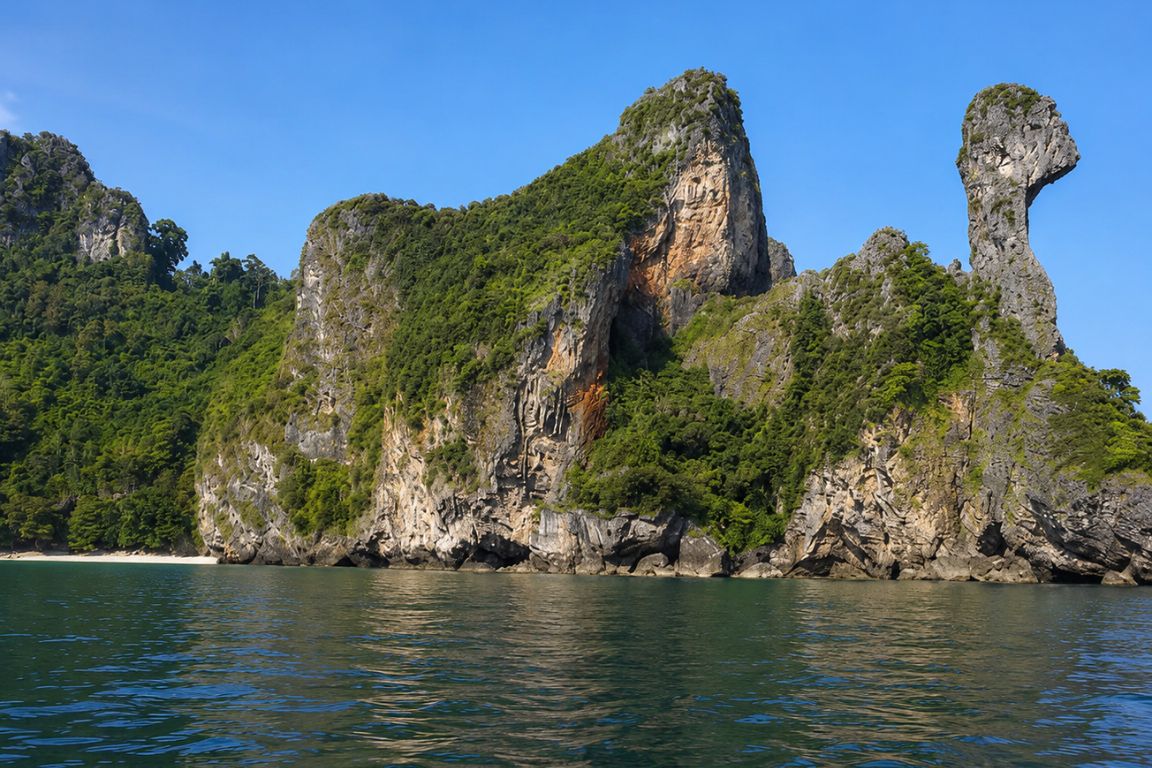 Yes, when booked with a licensed operator who carries correctly-sized life jackets and has crew experienced with families. Thai Marine Department regulations require all passengers, including children, to wear life jackets during boat transit. Life-jacket sizing varies, so confirm the exact size your child needs before booking. The key safety variable is not the route or the destination but the operator: their equipment condition, crew training, and willingness to adjust pace and stops for a family rather than a fixed group schedule.
The boarding and disembarking process is the practical safety point that catches families unprepared. Longtail boats anchor offshore and passengers wade in shallow water to reach the beach, or step down a short ladder from boat to water. For toddlers and young children, this requires an adult to carry or support them. Some steps and ladders are slippery when wet. The water entry points at Koh Poda, Chicken Island, and Tup Island are shallow enough that a wading adult can manage a small child without difficulty. The entry points at some stops require more care. Ask your operator which stops involve deeper or more awkward water entries before boarding.
Sun exposure is the safety consideration that produces more family discomfort on Krabi boat tours than any marine hazard. Six hours on open water in tropical sun, even with cloud cover, delivers a UV index that burns unprotected skin quickly. Children’s skin burns faster than adults’. Reef-safe mineral sunscreen applied before departure and reapplied after water stops, combined with rash guards or UV shirts, protects effectively. Hat and shade on the boat between stops complete the sun management. Operators who brief families on this at departure rather than selling sunscreen at the pier are demonstrating the kind of operational care that predicts the rest of the day’s quality.
We’ve put together a full boat tour breakdown in our Krabi boat tours guide so you know exactly which experience fits your budget, group size, and how much of the Andaman coast you actually want to cover in a single day.
Which Krabi Boat Tours Are Best for Families with Children?
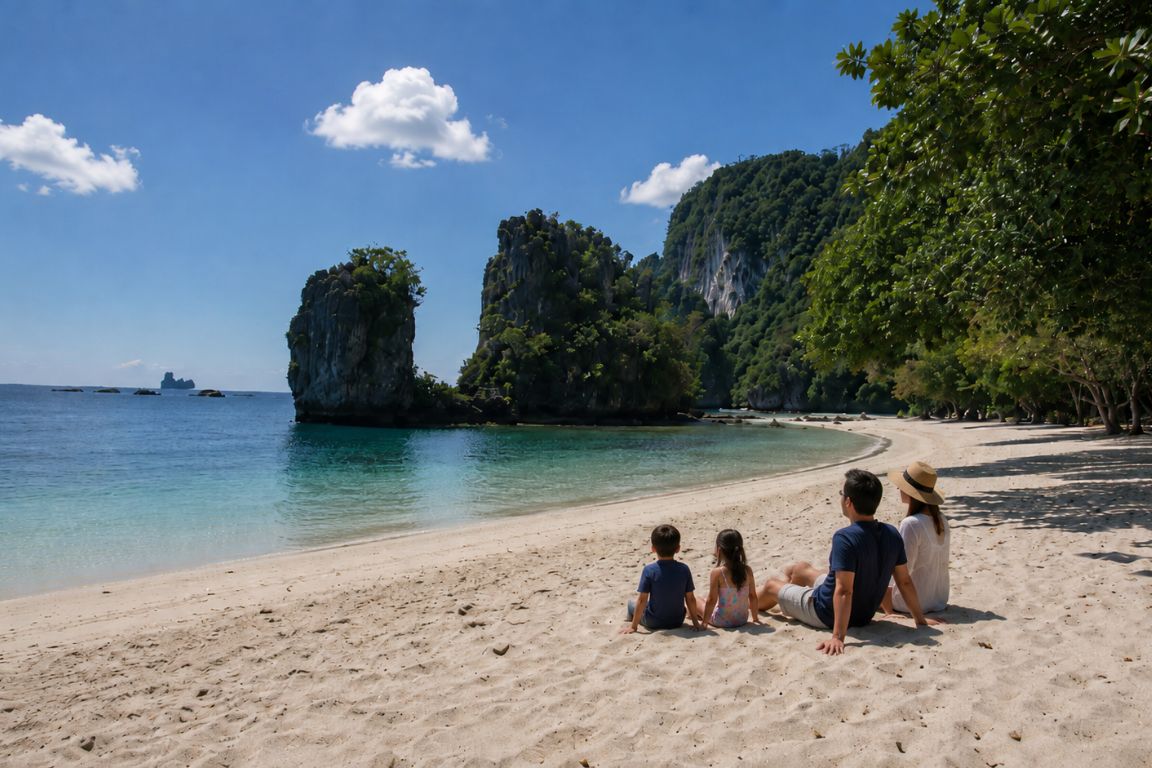 The private longtail charter is the best family boat tour format in Krabi: your group only, a flexible itinerary, and the ability to leave any stop when the children are ready rather than when the group schedule requires. For families willing to join a group tour, the 4 Islands longtail is the most family-friendly standard option: short transits, shallow stops, beach time, and the Tup Island sandbar walk that works for every age. Avoid full-day speedboat tours to Phi Phi for children under 6; the 50-kilometre open crossing bounces hard in any chop and is significantly more tiring and nauseating for young children than the inner circuit.
The private longtail advantage for families goes beyond flexibility. A private captain briefed on the family’s needs knows to anchor at the shallow end of the beach rather than the deeper side, to time the Tup Island sandbar visit around the tide, to carry extra water for children, and to read whether the group is ready to move or wants more time without needing to check with 15 other passengers. Families with children under 5 consistently describe private charters as transforming what might have been a stressful day into a relaxed one. Compare live totals for your date and party size before judging private versus shared value.
The Hong Island tour is a strong family option for children old enough to appreciate the scenery. The lagoon framed by vertical limestone walls is dramatic in a way that even young children respond to, and the beach at Lao Lading is shallow and calm. The transit from Ao Nang to Hong Island (35 minutes by speedboat) is manageable for most children over 4. For children under 3, the combined length of a Hong Island full-day tour may exceed their comfortable window without a nap facility.
Want an honest comparison between Krabi’s two most popular island-hopping routes before you spend a full day on the water? Here’s our Hong Islands vs 4 Islands guide so you choose wisely.
What Age Is Suitable for Krabi Boat Tours?
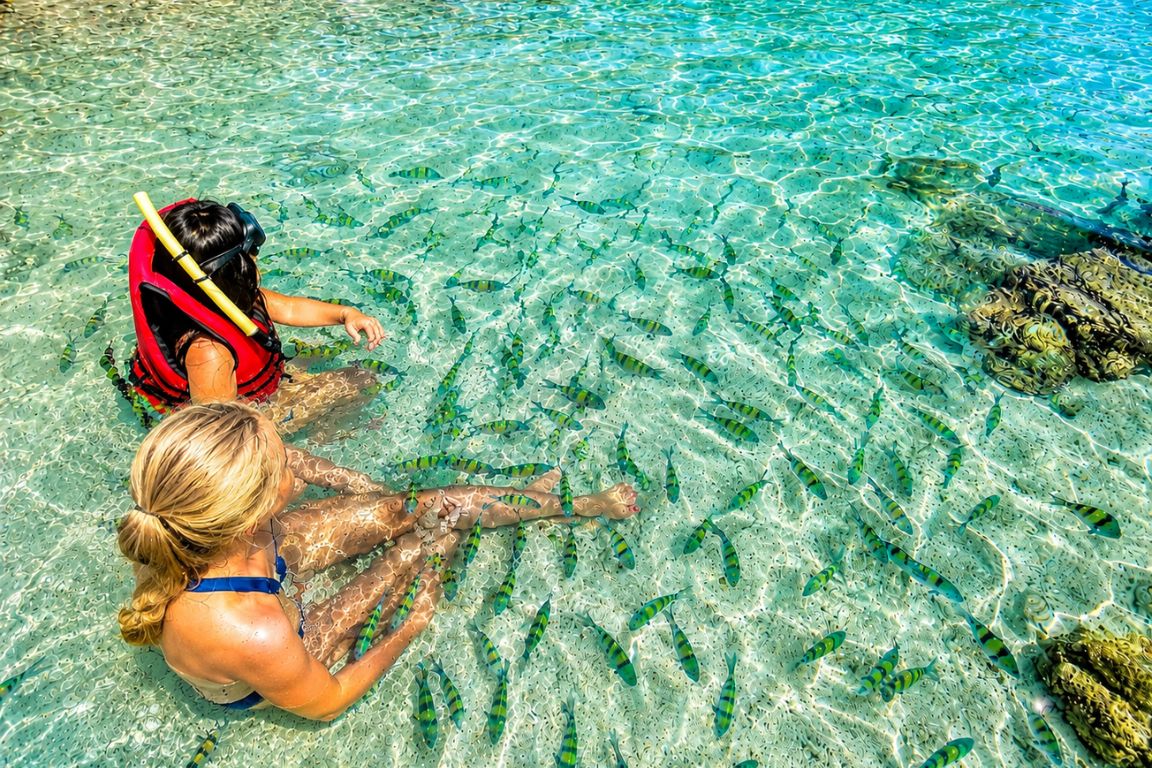 Minimum ages vary by operator and specific outing. Some outings accept infants and toddlers, but exact life-jacket sizing must be confirmed before booking. In practice, the most comfortable age to start meaningful island-hopping is around 3 to 4, when children can handle the boat transit without distress and enjoy water play and beach time. Children from 6 upward get full value from snorkeling, the sandbar walk, and the island exploration components. Teenagers can join any tour format including Phi Phi and outer island trips.
Toddlers (ages 1 to 3) on Krabi boat tours work best on short, private charters with a flexible return option. The inner circuit stops at Tup Island and Koh Poda provide shallow beach water that toddlers can wade in safely with adult supervision. The boat transit itself is the challenge for very young children: 20 to 30 minutes on a longtail with engine noise and open-water conditions can be overstimulating or frightening. A private charter where the captain can return early if needed removes the pressure that a group tour schedule creates.
Children aged 4 to 12 are the sweet spot for Krabi boat tours. They are old enough to snorkel with assistance, to walk the Tup Island sandbar, to find the fish-shapes-through-the-water experience genuinely exciting, and to manage the physical requirements of getting on and off a longtail in shallow water. Operators who brief children on what they might see (clownfish in anemones, parrotfish bigger than a dinner plate, wildlife that should be observed at a distance while following guide instructions) consistently produce higher engagement and more positive reviews from family groups than those who treat children as smaller adults requiring the same brief.
What Should You Pack for a Krabi Boat Tour with Kids?
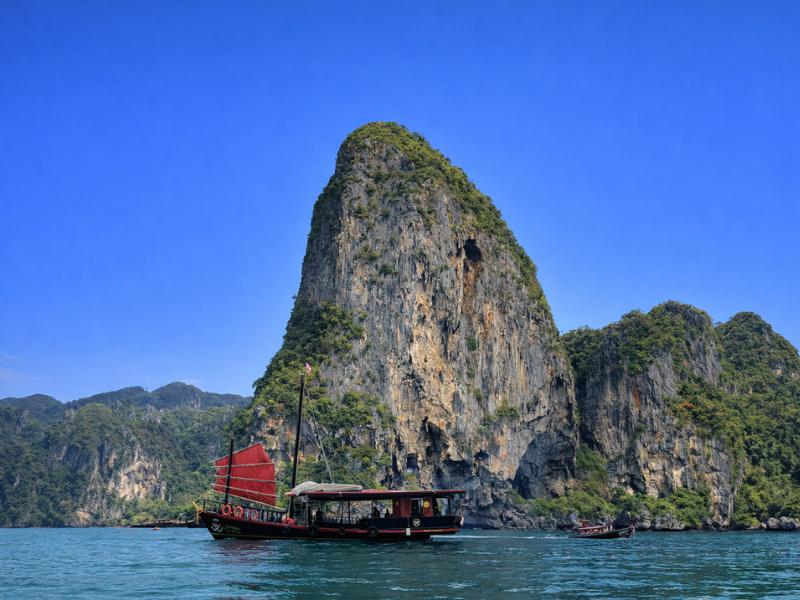
The family packing list for a Krabi boat tour: sunscreen that complies with current national-park rules, rash guards or UV shirts for children, hats with chin straps that stay on in wind, any motion-sickness medication recommended for your child by a clinician or pharmacist, a dry bag for phones and valuables, reef shoes or water sandals for the sandbar walk, spare dry clothes for each child, snacks that children will eat when the provided lunch does not suit them, and a baby carrier rather than a stroller for toddlers boarding longtails.
Motion sickness medication is the packing item that produces the most relief for families who bring it and the most regret for those who don’t. Seasickness in children manifests faster than in adults on boat tours and is harder to manage once it begins. Ask a clinician or pharmacist about medication suitability. Confirm with a pharmacist or doctor on appropriate dosage for your child’s age and weight before travel. Ginger chews and sea-bands are non-pharmaceutical alternatives that work for some children.
The reef shoes item appears minor but matters specifically at Tup Island, where the sandbar walk exposes coral fragments and shells underfoot. Adults manage this with flip-flops; young children with tender feet find it unexpectedly uncomfortable on bare feet and may refuse to walk. Water sandals or reef shoes convert the sandbar walk from a painful experience into one of the day’s highlights. A single pair per child weighs nothing and changes the Tup Island stop entirely for families with young children.
The dry bag serves a different function with children than without them. Children’s devices (tablets for the boat transit), spare clothing, and medical items need to stay dry in a context where everything else will get wet. A 10-litre dry bag costs little and solves the problem completely. Waterproof phone cases serve a secondary function: they allow parents to photograph snorkeling and shallow-water play without risking the phone, which on a family boat tour is when most of the memorable images happen.
Which Islands Are Best for Kids on a Krabi Boat Tour?
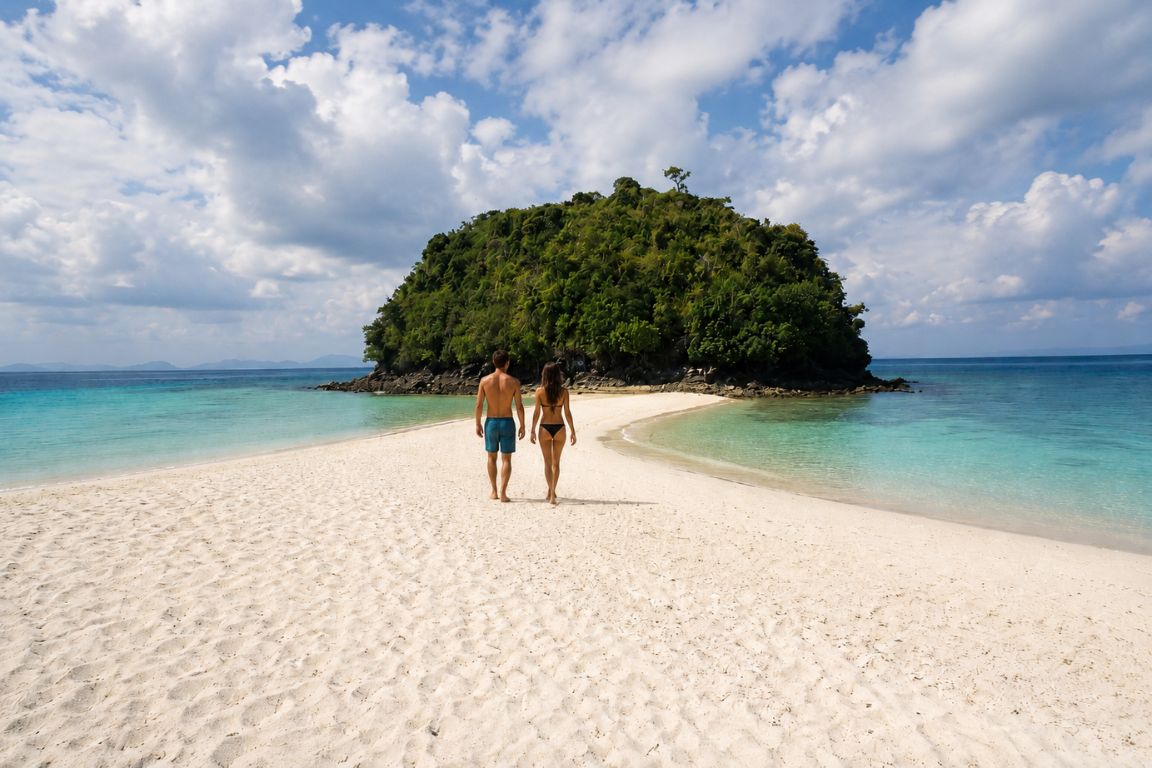 Tup Island is the single best island stop for children of all ages: the sandbar walk in ankle-to-knee-deep water connecting Tup, Mor, and Chicken Islands is safe, endlessly interesting, and produces the “walking on water” experience that children describe as the highlight of the trip. Koh Poda has a calm beach with good shallow-water snorkeling starting close to shore. Chicken Island has the most active reef fish of the inner circuit. Hong Island’s lagoon produces genuine awe in children old enough to appreciate dramatic scenery.
The Tup Island sandbar works at low tide and is tide-dependent. On a high-tide visit, the sandbar is submerged and the stop becomes a standard beach swim rather than the walk-between-islands experience. Ask your operator to time the Tup Island stop around the low tide window for your tour date. A private charter may offer itinerary flexibility, but low-tide timing is not promised; ask about your date. On a group tour it depends on whether the operator structures the route around the tide, which the better ones do. A guide who explains what the sandbar is and builds anticipation for it before arrival consistently produces a much stronger child response than arriving without context.
Koh Poda for snorkeling with children: the reef starts within 30 to 50 metres of the beach at the southeast face, meaning a child who is tentative about swimming far from shore can see fish without going deep or far. Parrotfish at 2 to 3 metres depth are visible through the surface on clear days. Clownfish in anemones are the species that reliably produce the loudest reactions from children, and Koh Poda’s reef holds multiple anemone colonies accessible in shallow snorkeling depth. A child who sees a clownfish for the first time from 1.5 metres above it has experienced something they will describe for years.
Not sure what the Krabi 4 Islands tour actually covers beyond the name and a rough island count? Here’s our Krabi 4 Islands tour guide so you know exactly what’s included before you book.
What Do Parents Consistently Get Wrong About Krabi Boat Tours with Kids?
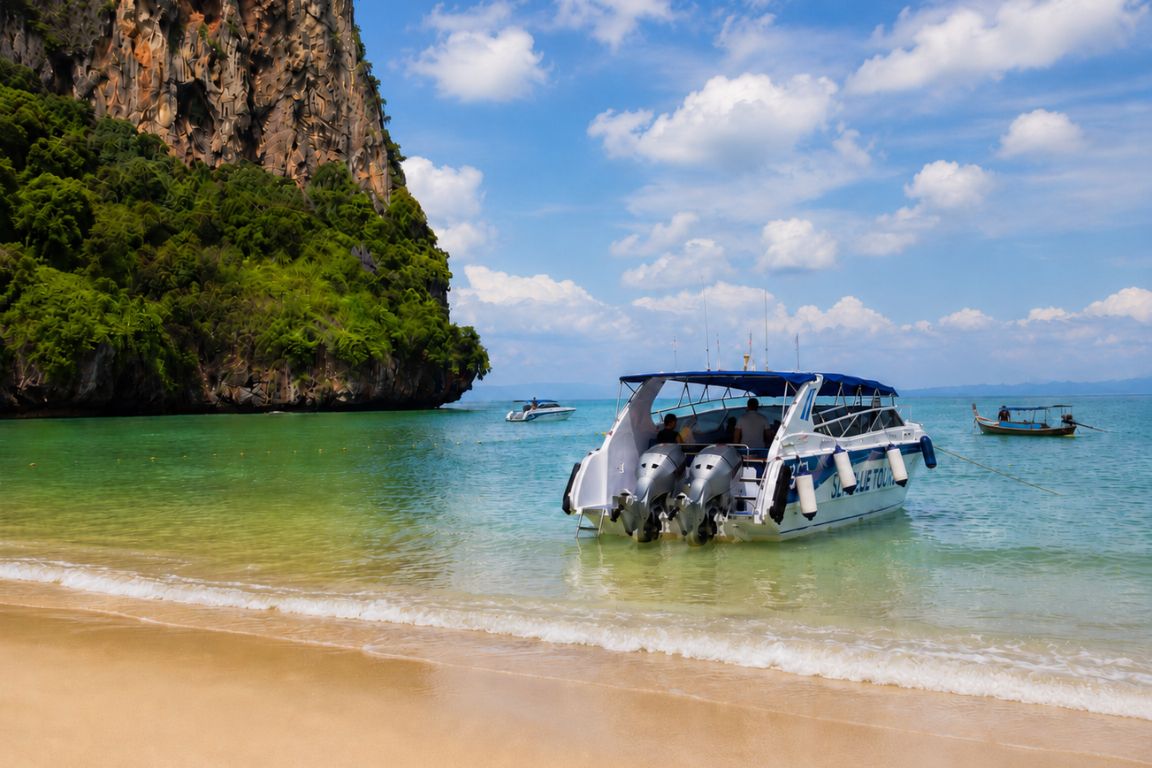 Four consistent mistakes: booking a full-day speedboat tour to Phi Phi with children under 6 and discovering the crossing is too rough and too long for young children; not discussing appropriate seasickness planning with a clinician or pharmacist before travel; choosing between shared and private formats without comparing current totals, duration and flexibility; and not timing the Tup Island stop for low tide, missing the sandbar walk entirely.
The Phi Phi speedboat tour with young children is the most consistent family tour mistake in Krabi. The appeal is obvious: Phi Phi is the most visually dramatic destination accessible from Ao Nang, the photographs are extraordinary, and parents want to share it with their children. A standard Phi Phi speedboat outing can be a long open-water day; check its current duration, age rules and sea conditions. Many young children find this exhausting and frightening rather than exciting. Families who do Phi Phi with children over 8 on a private charter with an early departure consistently describe it positively. Families who do it with children under 5 on a group speedboat more often describe the day as the trip’s lowest point.
Trying to decide between the classic Thai longtail experience and the efficiency of a speedboat that covers more islands in less time? Check out our longtail boat vs speedboat in Krabi guide before you commit to either.
The group tour versus private charter decision for families deserves more thought than most parents give it at booking. Compare live totals for your date and party size; private and shared value changes with current booking terms and group size. The experience difference, in flexibility and pace, is large. The private charter goes when the family is ready, stays at good stops longer, leaves stops the children have finished with earlier, and returns when the youngest child hits their limit rather than when the fixed group itinerary concludes.
The gap between a guided Krabi tour and a DIY island-hopping day is bigger than most visitors expect – our Krabi tour vs DIY island hopping guide breaks down the real trade-offs on both sides.
How Do You Keep Kids Safe and Comfortable on a Krabi Boat Tour?
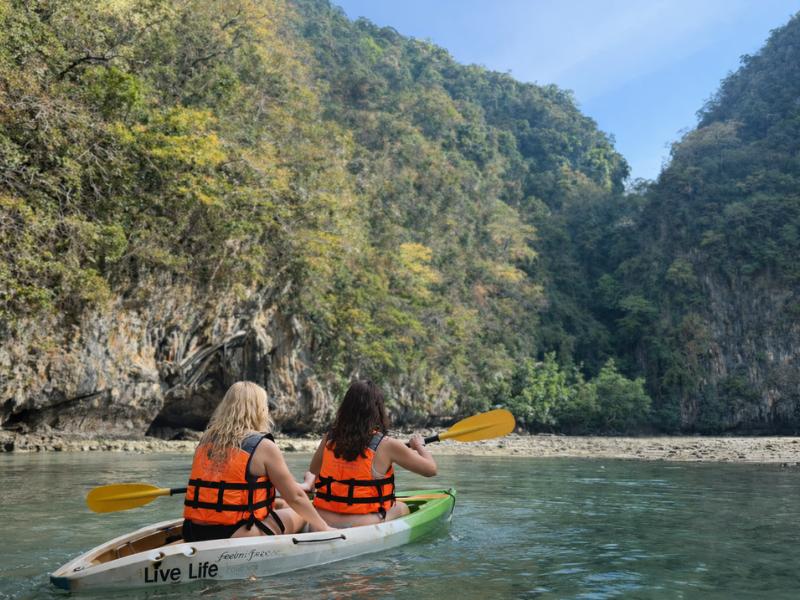
Five practical measures: confirm life jacket sizes at booking rather than at the pier; ask a clinician or pharmacist about medication suitability before travel; apply reef-safe sunscreen before boarding and reapply after every water stop; bring a dry bag for valuables and spare dry clothes; and choose morning departures that return by early afternoon before heat and fatigue peak. A rested child who boards at 8am with sunscreen on, a life jacket that fits, and a snack in their pocket has a fundamentally different day than one who boards at 10am in direct sun without preparation.
The life jacket confirmation point deserves emphasis. Not all operators carry infant and toddler-sized life jackets as standard. An operator who tells you at the pier that they only have adult and standard child sizes, and that your 18-month-old will need to share an adult one, is telling you something important about their operational standard. Confirm specifically at booking: “I have a child aged X, please confirm you carry a correctly-fitted life jacket for that age and size.” A good operator confirms immediately and without hesitation. One who hedges warrants a different booking.
Shade management on the boat between island stops is the comfort variable that most parents underestimate. On a longtail boat in open sun, there is no shade except under the roof canopy, which covers perhaps half the available seating. Children who spend 30 minutes in direct equatorial sun between island stops overheat faster than adults and become miserable before the next stop. Positioning children under the canopy and covering exposed skin with a lightweight shirt between stops, rather than relying entirely on sunscreen, is the practical approach. The premium longtail options with wider canopies specifically accommodate families better than standard longtails for this reason.
How Do You Book the Right Krabi Boat Tour for a Family?
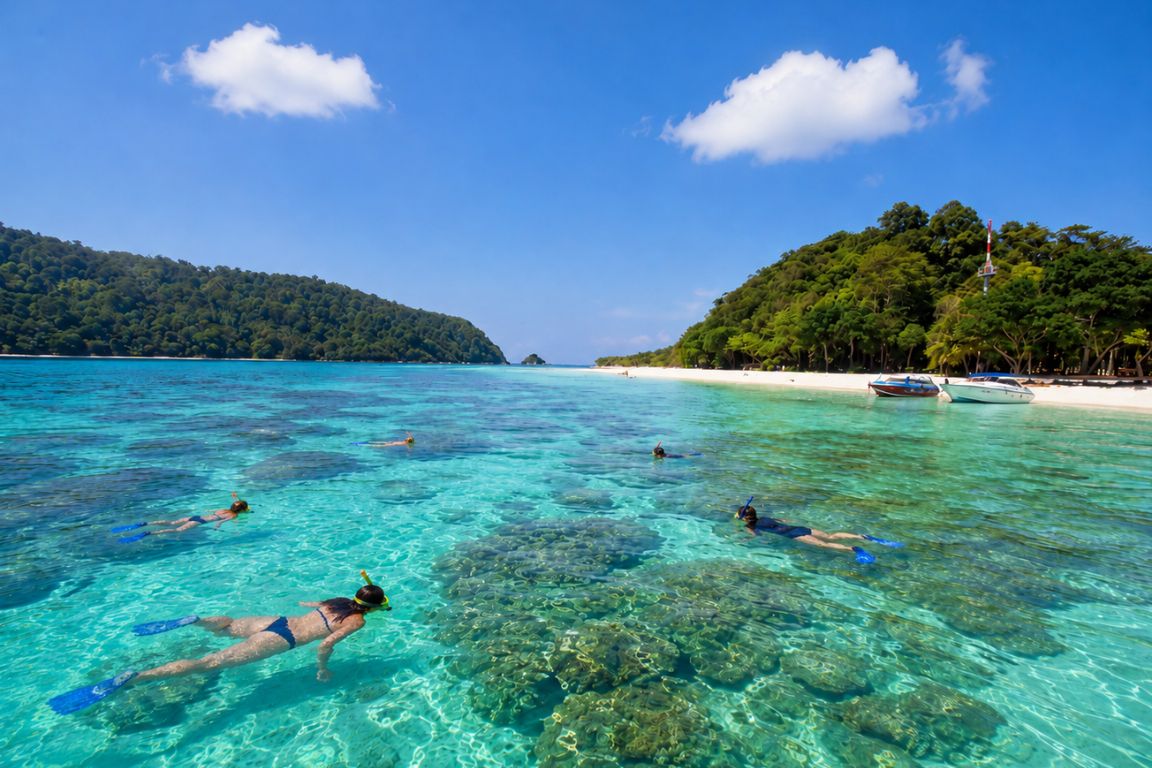 Three questions to answer before booking: what are the ages of the children, and does the tour format match their attention span and physical capability? Does the operator specifically confirm child-sized life jackets and family experience? And is the departure time early enough to return before afternoon heat and child fatigue peak? A family that answers these three questions correctly before booking and chooses a private or small-group format with an 8am departure in dry season has the structure for an excellent day on the water.
For families with children under 5, the booking conversation should include: confirmation of infant or toddler life jackets, confirmation that the captain has experience with young families, and a clear understanding that private charter flexibility is available if needed. The best operators who work regularly with young families will ask about the children’s ages unprompted and suggest the appropriate format. An operator who does not ask about the children at all when you mention you are travelling with a 2-year-old is telling you something about their family orientation.
The dry season booking premium is genuinely justified for families with young children. Calm seas in December through April mean the longtail crossing to Tup Island runs without pitching, boarding and disembarking in shallow calm water is straightforward, and the snorkeling stops are comfortable rather than challenging. In wet-season months, choppier conditions make boarding harder for young children, the boat ride more nauseating, and the return crossing longer-feeling for a tired 4-year-old. The premium for dry-season timing is an investment in the day going as planned.
Want to make the most of Krabi’s best weather window without paying peak season prices for every boat tour and beach bar? Here’s our Krabi in dry season guide so you plan it right.
For specific advice on which tour format suits your children’s ages and your travel dates, start with the private 4 Islands longtail charter , which runs on a custom itinerary rather than a fixed group schedule. The private charter lists four- and six-hour options and a customizable itinerary; confirm tide timing and child equipment directly.
Family Tour Planning Checks
Guide interaction Ask how the outing supports children during activities
Phi Phi with younger children Compare duration, age rules and open-water conditions
Sun protection Check current park rules and pack suitable protection
Tup sandbar interest Check tide dependence for the travel date
Motion concerns Compare vessel type, duration and individual tolerance
Private-versus-group preference Compare current flexibility, duration and total party cost
For Phi Phi with younger children, compare the outing’s duration, age rules and open-water format carefully. The destination is extraordinary. The standard group speedboat format is not designed for young children. The private charter version of the same destination, at higher cost but on the family’s schedule, produces a completely different result. Our recommendation for Phi Phi with children under 6: wait until they are older or book a private 4 Islands longtail charter instead of a group speedboat.
Frequently Asked Questions
What Is the Minimum Age for a Krabi Boat Tour?
Minimum ages vary by operator and outing. Some outings accept infants, but confirm exact life-jacket sizing before booking. In practice, the most comfortable starting age for meaningful island-hopping is around 3 to 4, when children can handle the boat transit and enjoy beach and water play. Confirm infant and child life jacket availability with your operator at booking, not at the pier.
Are Longtail Boats or Speedboats Better for Families with Kids?
Longtail boats are better for families with young children. They travel more slowly, pitch less in chop, and produce significantly less motion sickness than speedboats. Speedboats reach destinations faster but bounce hard on the forward bow on any swell, which young children find uncomfortable and nauseating. For families with children over 10 who are comfortable on the water, speedboats are a reasonable option for the inner circuit. For the Phi Phi crossing with young children, a longtail-speed private charter or avoiding Phi Phi entirely is the better choice.
Which Island Stop Is Best for Young Children in Krabi?
Tup Island is the best stop for children of all ages. The sandbar walk at low tide in ankle-to-knee-deep water connecting Tup, Mor, and Chicken Islands is safe, exciting, and tide-dependent. Confirm with your operator that the Tup Island stop is timed for low tide. Koh Poda has a calm beach with shallow reef snorkeling starting close to shore, which suits children who want to snorkel without swimming far from the beach.
Do Krabi Boat Tours Provide Life Jackets for Children?
Reputable operators carry life jackets in all sizes including infant and child sizes. Confirm this specifically when booking, stating your child’s age and approximate weight so the operator can confirm correct sizing. Life jackets are required for all passengers including children during boat transit under Thai Marine Department regulations. An operator who cannot confirm child-sized life jackets is not a suitable choice for a family booking.
How Do You Prevent Seasickness on a Krabi Boat Tour with Kids?
Ask a clinician or pharmacist about medication suitability. Confirm appropriate dosage with a pharmacist for your child’s age and weight before travel. Non-pharmaceutical options include ginger chews and sea-bands. Book a longtail rather than a speedboat for younger children. Morning departures on calm dry-season seas reduce the base motion level significantly. Seat children under the canopy and away from the bow, where the boat pitches most.
Written by Ryan Supakorn
Thai tour guide since 2011 · Founder, Krabi Boat Tours
Ryan has guided over 11,700 travelers through Krabi’s islands, lagoons, and coastline since founding the agency.
Check your actual travel date before making other Krabi arrangements
Match the outing to your plans
Blank fields keep the initial suggestion. Age pricing alone does not confirm suitability; if eligibility is unverified, the tool will not recommend a match. Check pickup and restrictions for your selected package.
Compare two total quotes
Use current quotes in the same currency, including park fees, transfers and option extras.
Initial recommendation. Adjust the optional choices to match your plans.
Krabi 4 Island Tour: Private Long-tail Boat Charter
The private charter offers four- or six-hour 4 Islands itineraries with swimming, snorkeling and low-tide connecting sand when conditions align.
6h · Confirm guiding language · Private longtail and Ao Nang-area transfers; lunch, park fees and an English guide cost extra. · Confirm your selected option’s pickup, inclusions, fees and participant restrictions before booking.
Choose a date to view the published schedule. Confirm availability and final price on Viator.
No reviewed option matches these choices.