Maya Bay: Rules, Reopening and How to Visit (2026)
Maya Bay is open, but it is not the beach the film sold. Boats no longer pull onto the sand, swimming in the bay is off the table, and the beach closes every year through August and September so the reef can recover. Visit early, treat it as forty minutes rather than a day, and the trip still earns its place.
See what a nine-hour early Phi Phi speedboat adds beyond Maya Bay. Explore Early-Bird Phi Phi & 4 Islands.
Booking choice: An early speedboat combines Maya Bay with swimming and snorkeling elsewhere around Phi Phi and the Four Islands. Check dates for Early-Bird Phi Phi & 4 Islands.
Is Maya Bay Open, and What Are the Current Rules?
Yes, with conditions. Maya Bay reopened after its long closure and now runs on a managed system: no boats in the bay itself, no swimming off the beach, a cap on how many people are ashore at once, and an annual shutdown through August and September. Check the official park page before you book anything.
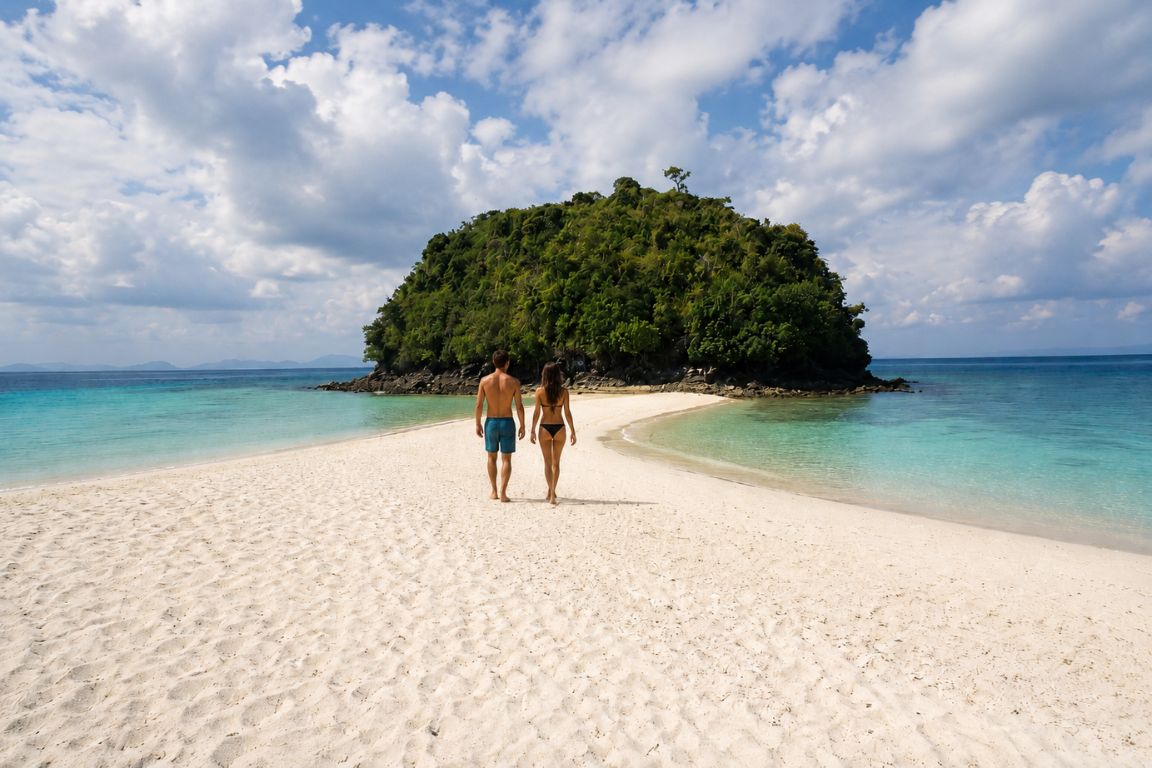
The rules matter more here than at any other stop around Krabi, because they change what the visit is. You are not going to Maya Bay to spend an afternoon. You are going to stand on one of the most photographed beaches in Asia for a controlled window, look at the cliff walls closing in around the bay, and leave. People who understand that in advance come back happy. People expecting a swim and a sunbed come back annoyed.
Arrival works from behind. Boats approach Koh Phi Phi Leh and tie up at a pontoon on the Loh Samah side, and visitors walk a short boardwalk through the neck of the island to reach the sand. It is a two minute walk with the cliffs above you, and it is one of the better bits of the visit even though nobody photographs it. The bay itself stays clear of engines and hulls, which is the entire point of the arrangement.
Visitor numbers are managed in hourly slots, currently in the region of 300 people per hour ashore. That number sounds large and feels smaller than you expect once the beach spreads them out, but it also means that a boat arriving at 11:00 in February may be told to wait. Early tours are not a preference, they are the strategy.
| Rule | What it means on the day | Why it exists |
|---|---|---|
| No boats in the bay | You arrive at a pontoon on the Loh Samah side and walk through | Anchors and propellers destroyed the shallow reef |
| No swimming off the beach | Wading to about knee depth only, no snorkeling in the bay | Coral replanting and blacktip reef shark nursery |
| Visitor cap by hour | Around 300 people ashore per hour, slots managed at the pontoon | Keeps the beach and the walkway from overloading |
| Reef safe sunscreen only | Oxybenzone based sunscreens are not welcome in the park | Chemical load on recovering coral |
| Annual closure | Beach shut 1 August to 30 September, reopening 1 October | Monsoon swell plus a rest period for the reef |
| Carry out everything | No bins on the beach, take your rubbish back to the boat | Basic marine park policy across Thailand |
| Park entry fee, cash | Around 400 THB per adult with a reduced child rate | Funds ranger presence and reef work |
Every one of those items is set by Thailand's Department of National Parks rather than by any operator, and the detail moves. The current position is published at portal.dnp.go.th, and any operator telling you the swimming ban has quietly ended is guessing.
Why Did Maya Bay Close, and What Changed When It Reopened?
Maya Bay closed in 2018 after two decades of mass tourism stripped most of the hard coral out of the bay. It reopened in January 2022 under a management plan built around keeping boats out, keeping people out of the water, and capping numbers. The reef and the blacktip reef shark population have both come back.
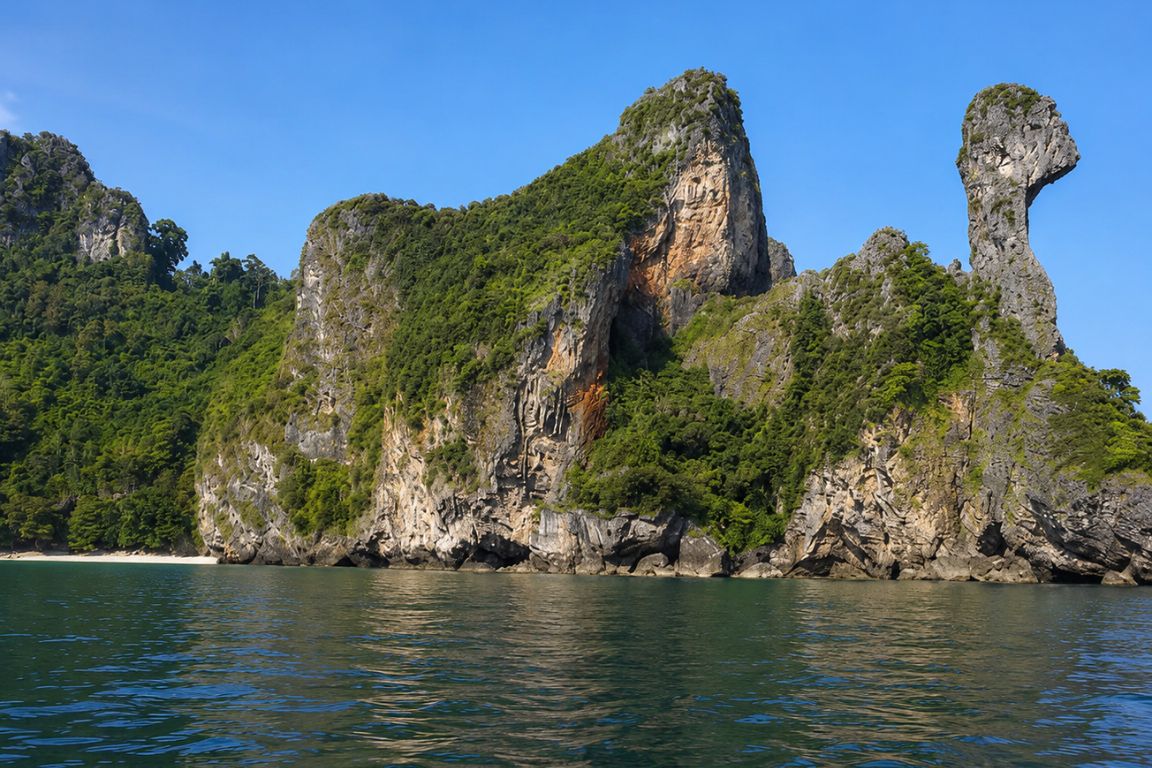
The bay was a quiet anchorage on an uninhabited island until the 2000 film adaptation of The Beach put it on every backpacker's list. Within a few years it was taking thousands of visitors a day, with longtails and speedboats running straight onto the sand and anchoring across the shallows. Coral cover collapsed. By 2018 the park authority stopped pretending it was survivable and shut the beach.
The closure was supposed to run months and ran years. When the beach came back in 2022 it came back with the current architecture: a rear pontoon, a walkway, hourly caps, and a hard ban on entering the water. Coral fragments were replanted in the bay, and the shallow water became a nursery again for blacktip reef sharks, which are now regularly visible from the sand in the early morning. If you want to know what else is down there around the Phi Phi group, our page on the marine life you actually see around Krabi covers the species that show up on a normal snorkel stop.
| Period | What was happening | Visitor experience |
|---|---|---|
| Before 2000 | Uninhabited bay on Koh Phi Phi Leh, lightly visited | Anchorage, occasional day boats |
| 2000 onward | The Beach turns it into a global destination | Boats land on the sand, no limits |
| Mid 2010s | Thousands of daily visitors, anchor and propeller damage | Crowded beach, badly degraded reef |
| June 2018 | Park authority closes the beach indefinitely | No access at all |
| Closure years | Coral replanting, shark nursery recovery, infrastructure built | Boats pass offshore only |
| January 2022 | Reopening under the managed plan | Rear pontoon, walkway, no swimming, capped numbers |
| Now | Open with an annual August to September closure | Short controlled visits, reef visibly recovering |
Background and sourcing on the closure itself is well kept on the Maya Bay entry if you want the longer version.
Can You Swim at Maya Bay?
No. Swimming inside Maya Bay is banned, and the limit is wading to roughly knee depth from the sand. You can still swim on the same day trip, just somewhere else: most Krabi itineraries put their snorkel stops at Loh Samah, around Pileh Lagoon and out at Bamboo Island instead.
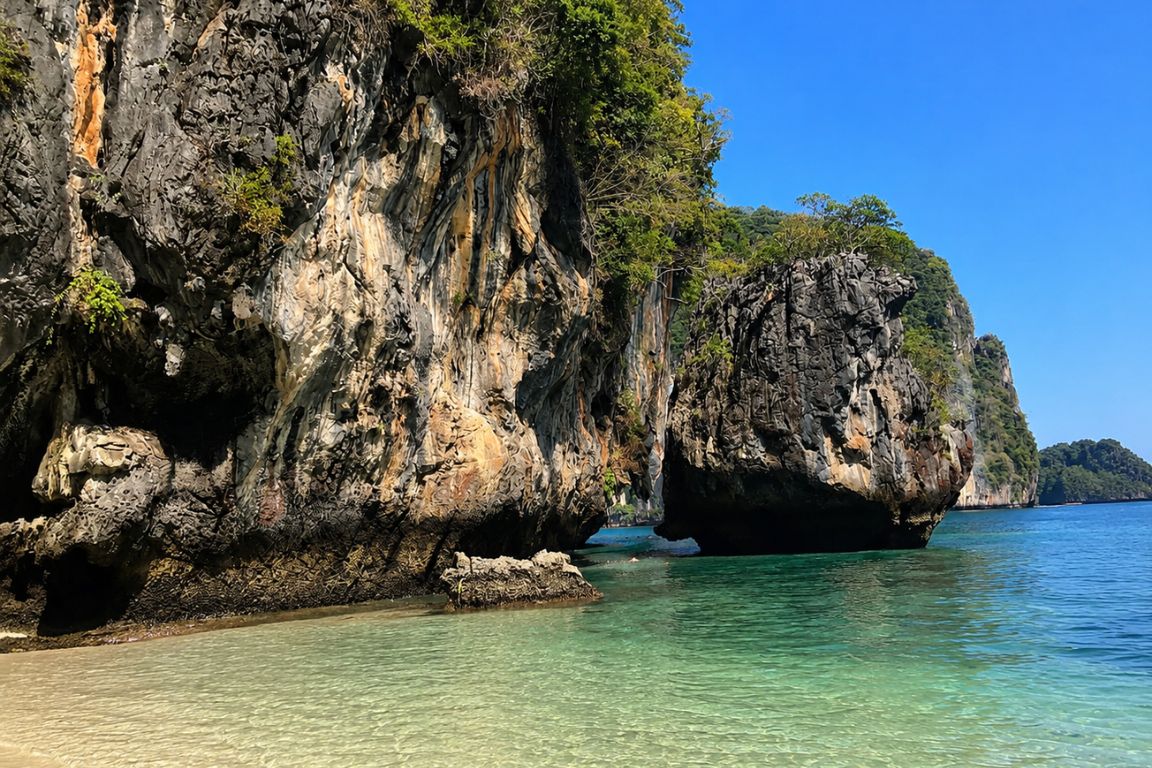
This is the single most common disappointment on a Phi Phi day, and it is entirely avoidable by knowing it in advance. Rangers are present on the sand and they do enforce it. The ban is not about safety, it is about the replanted coral in the shallows and the juvenile sharks that use the bay, which is also why the water looks so much better than the photos from ten years ago.
What you get instead is a beach walk with genuinely extraordinary geology overhead. The cliffs run up several hundred metres on three sides, the sand is fine and pale, and in the first hour of the day the light comes over the rim rather than straight down. Give it forty minutes and you have had the experience.
For water time, the rest of Phi Phi Leh is the answer. Loh Samah Bay sits directly behind the beach and takes snorkelers. Pileh Lagoon, a flooded channel between vertical walls, is the other classic stop, though access rules there shift with conditions and the guide's call is final. Further out, Bamboo Island and the Koh Bida rocks hold the best coral in the group, which we rank against the closer options in the best islands for snorkeling near Krabi.
How Do You Visit Maya Bay From Krabi?
By boat, on a day tour, roughly 50 to 60 minutes each way by speedboat from the Ao Nang piers. There is no accommodation on Koh Phi Phi Leh and no scheduled ferry to it, so a tour is the only route. The choice is between a shared early speedboat and a private charter that sets its own clock.
Shared speedboat departures are the workhorse. The early bird Phi Phi and 4 Islands speedboat day is built around the crowd problem: pickup runs between about 05:20 and 06:30, the boat leaves Nopparat Thara Pier ahead of the fleet, and Maya Bay comes early rather than at midday. It continues through its Phi Phi and Four Islands program, with lunch, swimming and snorkeling included.
Private charters buy you control rather than speed. A private Phi Phi and 4 Islands sunset speedboat runs around eight and a half hours with the park fee already inside the price and a van collecting you in Ao Nang, and the itinerary can be customized, with guides advising on less busy beaches. For a private night-snorkel alternative, the supplied charter covers Hong and the Four Islands rather than Maya Bay or Phi Phi.
Longtails do reach Phi Phi from Krabi on private charters, and they are a lovely way to travel, but the crossing is long and open. We set out where each hull type makes sense in longtail boat versus speedboat. If you would rather have someone match a boat to your dates, that is what a Krabi boat tour operator is for.
| Format | Time at Maya Bay | Total day | Crowd exposure | Suits |
|---|---|---|---|---|
| Early bird shared speedboat | Around 40 minutes, first wave | 8 to 9 hours | Designed for an earlier start | Travelers comfortable with a nine-hour shared speedboat day |
| Standard mid morning shared speedboat | Around 30 to 40 minutes, peak wave | 7 to 8 hours | Highest | Late risers who accept the trade |
| Private speedboat charter | Guide times it to the gap | 8 to 9 hours | Low, by planning | Private groups wanting a customizable speedboat day |
| Private longtail charter | Similar, slower crossing | 9 to 10 hours | Low | Calm season only, travelers who love the boat |
| Overnight on Phi Phi Don, then local boat | Flexible, earliest possible arrival | Two days | Lowest overall | Photographers and anyone staying on Phi Phi anyway |
What Time of Day Should You Arrive at Maya Bay?
Before 09:00 if you can manage it. The Phuket and Phi Phi Don fleets converge on the bay from mid morning, and the hourly cap means late arrivals queue at the pontoon. The first hour of the day gives you softer light, calmer water on the crossing, and a realistic chance of seeing blacktip reef sharks from the sand.
The crowd curve here is steeper than at any other stop near Krabi. Krabi boats have a genuine advantage over the Phuket fleet because the crossing is shorter, so an early departure from Nopparat Thara can put you ashore while the bigger operations are still loading. That advantage evaporates by 10:30.
There is a second reason for the early start that has nothing to do with crowds. The Andaman is usually flattest in the first hours of daylight, and a 50 minute speedboat crossing in a light morning chop is a completely different ride from the same crossing at 14:00 with a sea breeze up. Anyone prone to motion sickness should take the early boat on those grounds alone.
| Arrival window | Beach conditions | Light | Wildlife odds | Verdict |
|---|---|---|---|---|
| 07:30 to 09:00 | Quiet, first slot | Low sun over the cliff rim | Best for blacktip reef sharks in the shallows | The reason early tours exist |
| 09:00 to 10:30 | Filling steadily | Good, getting hard | Moderate | Still worth it |
| 10:30 to 13:00 | Peak, cap reached, pontoon queues | Flat overhead light | Low | The window to avoid |
| 13:00 to 15:00 | Thinning as the fleet turns home | Improving | Low to moderate | Decent second best |
| After 15:00 | Quiet again | Warm light | Moderate | Private charters and Phi Phi Don stays only |
What Does a Maya Bay Day Cost?
Budget the tour price plus the national park fee, which may be charged separately or included, depending on the listing; check the live inclusions. Shared speedboat days from Krabi sit in the mid range; private charters cost several times that and are priced per boat rather than per person.
The park fee catches people out constantly. Some listings exclude the park fee while others include it, so compare the live inclusions before booking. Carry it in cash, in baht, in notes rather than coins, and carry it for every member of your group including children at the reduced rate.
Beyond that, a Phi Phi day is priced by hull and exclusivity rather than by what you see. Everyone on the water that morning is looking at the same cliffs. What you are paying for is how many people are standing next to you and who decides when the boat moves.
| Line item | Rough THB | Rough USD | Included? | Notes |
|---|---|---|---|---|
| National park fee, adult | Around 400 | Around 12 | Excluded on most listings | Cash only, collected at the pontoon |
| National park fee, child | Reduced rate | Varies | Excluded on most listings | Bring exact notes |
| Shared speedboat day from Krabi | Operator pricing | See the live listing | Lunch, gear, hotel transfers usually in | Check the live date and departure details |
| Private speedboat charter | Per boat | See the live listing | Some include the park fee outright | Compare the per-boat total against your group size |
| Snorkel gear | Usually included | - | Included on some listings | Own mask still fits better |
| Underwater camera hire | Operator pricing | Varies | Included on some private charters | Ask before you buy one in Ao Nang |
| Tips for the crew | Your call | - | Never included | Cash, and genuinely appreciated |
When Is the Best Month to Visit Maya Bay?
November through April, with January to March the most reliable stretch for flat crossings and clear water. The beach is closed outright from 1 August to 30 September every year and reopens on 1 October. May through July runs, but the crossing is rougher and cancellations become normal rather than rare.
The annual closure is the fixed point around which everything else plans itself. It is not weather driven alone: the park uses the monsoon window to give the bay a rest, which is why the date is the same each year regardless of how the season is actually running. Any tour selling you Maya Bay in mid August is selling you a boat past it, not a landing on it.
Either side of the closure, the seas do the deciding. The southwest monsoon puts swell straight into this side of the Andaman, and a 50 minute crossing turns from a pleasant run into a pounding. Our page on what a Krabi trip looks like in the rainy season covers which tours keep running and which do not, and if you want the month by month version specifically for this island group, we answer it directly in the best time to visit Phi Phi Island.
| Month | Maya Bay status | Crossing | Water clarity | Crowds |
|---|---|---|---|---|
| January | Open | Flat | Excellent | High |
| February | Open | Flat | Excellent | High |
| March | Open | Calm, warm | Excellent | High |
| April | Open | Calm, hot | Very good | Moderate to high |
| May | Open | Turning, first swell | Variable | Low |
| June | Open | Choppy, cancellations possible | Variable | Low |
| July | Open | Choppy | Variable | Moderate, holiday bump |
| August | Closed from the 1st | Rough | Poor | None ashore |
| September | Closed all month | Roughest | Poor | None ashore |
| October | Reopens on the 1st | Settling through the month | Improving | Low |
| November | Open | Flattening | Good to excellent | Rising |
| December | Open | Flat | Excellent | Extreme late in the month |
What Else Is on a Phi Phi Leh Day Besides the Beach?
More than the beach itself, which is the argument for booking the day rather than resenting the forty minute cap. Pileh Lagoon, Loh Samah Bay, the Viking Cave, Monkey Beach on Phi Phi Don and Bamboo Island all sit on the same circuit, and most of them are where you actually get in the water.
Pileh Lagoon is the one people remember second. It is a flooded inlet with sheer walls on both sides and water that goes an unlikely shade of green in the middle of the day. Loh Samah, tucked behind Maya Bay, is a proper snorkel stop with reef along the edges. The Viking Cave is a look from the boat rather than a landing: it is a working site where collectors harvest swiftlet nests from bamboo scaffolding, and visitors are not permitted ashore.
Bamboo Island, north of the main group, is where most Krabi itineraries put lunch, and it is the closest thing to an unhurried beach hour on the whole day. On the way home the boats usually thread the inner islands, which means you finish with Chicken Island and the sand at Poda. If that end of the route interests you as much as Phi Phi does, we cover it in the Koh Poda island guide.
| Stop | What it is | Time ashore or in water | Can you swim? |
|---|---|---|---|
| Maya Bay | The famous beach, cliffs on three sides | Around 40 minutes ashore | No, knee depth wading only |
| Loh Samah Bay | Sheltered bay behind Maya, reef edges | 20 to 30 minutes | Yes, snorkel stop |
| Pileh Lagoon | Flooded channel between vertical walls | 15 to 30 minutes | Usually, conditions and guide dependent |
| Viking Cave | Swiftlet nest harvesting site | Photo pass from the boat | No landing permitted |
| Monkey Beach, Phi Phi Don | Small beach with resident macaques | 15 to 20 minutes | Yes, but guard your belongings |
| Bamboo Island | Low sand island north of the group | 60 to 90 minutes, usually lunch | Yes, best swimming of the day |
| Inner islands on the run home | Chicken Island, Tup sandbar, Poda | Varies by itinerary | Yes |
What Should You Bring, and What Is Not Allowed?
Bring cash for the park fee, reef safe sunscreen, a dry bag and a hat. Leave behind single use plastic, anything with oxybenzone in it, and the expectation of a swim. Footwear matters more than people expect, because the walkway from the pontoon is a proper surface, not sand.
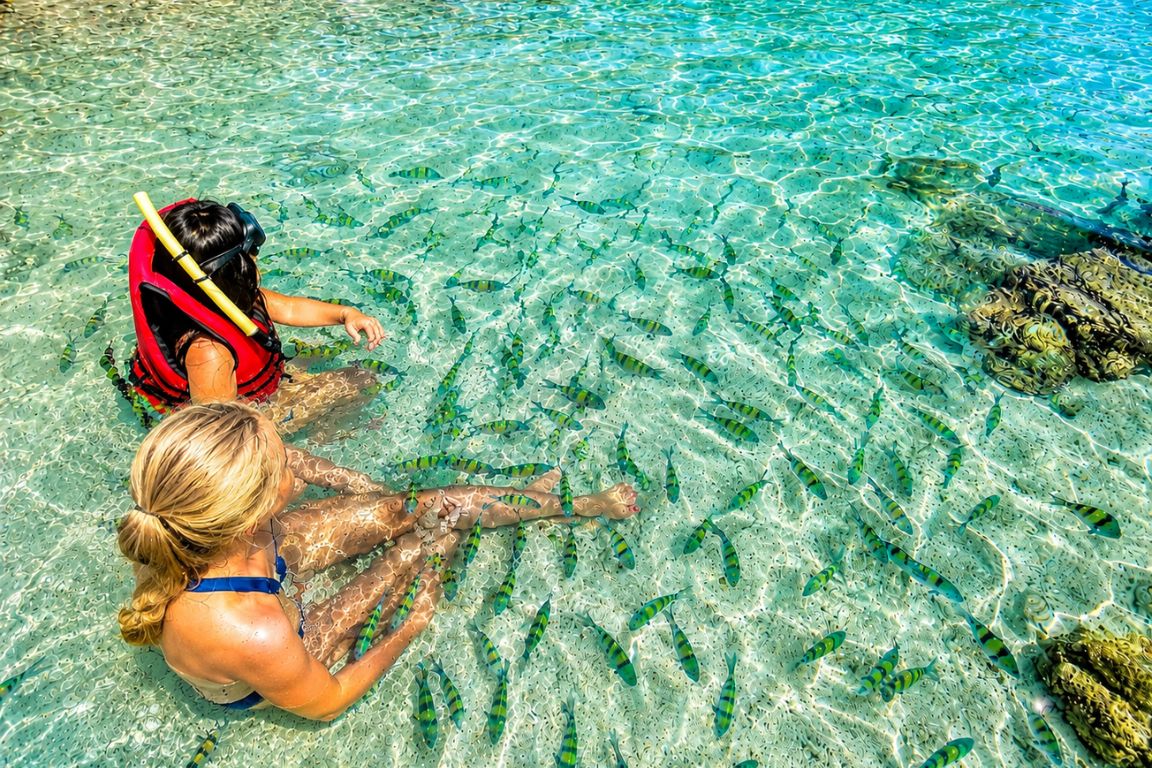
Sunscreen is the rule most often broken by accident. Reef unsafe formulations are not welcome anywhere in this park, and a rash guard removes the problem completely: cover up rather than coat up and you also survive a nine hour day on open water without burning through the top of your shoulders. Take a hat that will stay on in a speedboat, which rules out most of them.
The other quiet essential is a waterproof bag for anything electronic. Speedboat spray reaches the middle seats, transfers between boat and pontoon involve steps, and phones go into the Andaman every single day of the year. Thailand's tourism authority keeps general visitor guidance for the region at tourismthailand.org, but the operational rules for this specific beach come from the park, and the park page is the one to read the week you travel.
Who Should Skip Maya Bay?
Anyone who wants a beach day rather than a landmark. If your ideal day is six hours on sand with a book, Bamboo Island or the inner Krabi islands do that far better, and you will not spend an hour of it queuing at a pontoon. Travelers who get badly seasick should think hard too, because the crossing is open water in both directions and there is no shortcut home.
Skip it in August and September, obviously, since the beach is closed. Skip it if you are travelling with toddlers, since the day is long and the one stop everybody came for is the one where they cannot get in the water. And skip it if the only reason you are going is the film, because the thing worth seeing now is not the location from 2000, it is a reef that was written off and came back.
Frequently Asked Questions
Is Maya Bay open to visitors?
Yes, outside the annual closure. The beach reopened in January 2022 under a managed plan and now shuts every year from 1 August to 30 September, reopening on 1 October. Rules on access, numbers and swimming are set by the national park and do change, so check the official park page in the week you travel.
Can you swim at Maya Bay?
No. Swimming in the bay is banned and you may only wade to about knee depth from the sand. The restriction protects replanted coral and a blacktip reef shark nursery. Day tours put their snorkel stops at Loh Samah Bay, Pileh Lagoon and Bamboo Island instead, so you still get water time.
How long do you get at Maya Bay?
Around 40 minutes ashore on a typical tour, sometimes less at peak hours. Visitor numbers are managed in hourly slots of roughly 300 people, so boats arriving mid morning can wait at the pontoon. Early departures from Krabi are the reliable way to get the full window without queuing.
How much is the national park fee for Maya Bay?
Around 400 THB per adult with a reduced rate for children, paid in cash. Park-fee treatment varies by listing, so check whether it is included before booking. Bring notes for every person in your group, since there is no card payment at the pontoon.
How do you get to Maya Bay from Krabi?
Only by boat, on a day tour. Speedboats run roughly 50 to 60 minutes each way from the Ao Nang piers, and there is no accommodation or scheduled ferry service to Koh Phi Phi Leh. Shared early departures and private charters are the two realistic formats from the Krabi side.
What is the best month to visit Maya Bay?
January through March for the flattest crossings and clearest water, with November, December and April close behind. The beach is closed all of August and September. May to July stays open but the southwest monsoon makes the crossing rough and cancellations become a normal part of the season.
Why did Maya Bay close in 2018?
Two decades of unmanaged tourism after the 2000 film stripped most of the hard coral out of the bay, with boats landing on the sand and anchoring across the shallows. The park authority closed the beach in June 2018 for reef recovery, replanted coral, and reopened it in 2022 with boats kept out of the bay entirely.
Check your travel date before arranging the rest of Krabi.
Match the outing to your plans
Blank fields keep the initial suggestion. Age pricing alone does not confirm suitability; if eligibility is unverified, the tool will not recommend a match. Check pickup and restrictions for your selected package.
Compare two total quotes
Use current quotes in the same currency, including park fees, transfers and option extras.
Initial recommendation. Adjust the optional choices to match your plans.
Phi Phi Early Bird & 4 Islands - Day Tour by Speedboat From Krabi
The early-bird speedboat pairs Maya Bay with a full Phi Phi and Four Islands day of swimming and snorkeling.
9h · English guide listed · Early pickup, lunch and snorkeling gear; park fees extra. Maya Bay is closed August–September under the listing’s seasonal policy. · Confirm your selected option’s pickup, inclusions, fees and participant restrictions before booking.
Choose a date to view the published schedule. Confirm availability and final price on Viator.
No reviewed option matches these choices.