Sea Cave Canoeing in Krabi
Sea cave canoeing in Krabi is one of the most unique experiences in southern Thailand, taking you through limestone tunnels into hidden lagoons that can only be reached at the right tide.
See how Bor Thor combines mangrove kayaking, sea caves, and ancient paintings in one guided outing. Explore Bor Thor Sea-Cave Kayaking.
Last updated: June 17, 2026
Sea cave canoeing in Krabi takes you by kayak through narrow limestone tunnels into enclosed lagoons called hongs – open-sky chambers surrounded completely by karst cliffs, accessible only at certain tides. The main options from Krabi are Ao Thalane Bay (mangroves, canyons, wildlife, 20 minutes from Ao Nang), Bor Thor sea caves (ancient cave paintings, 60 minutes north), and Phang Nga Bay (combined with James Bond Island, 90-minute road transfer). No prior kayaking experience is required. Half-day tours start at 895-1,200 THB per person. The guide paddles for you inside the caves on most tours. Tides determine everything: an operator who checks the tide table before planning the route is the difference between entering a cave and watching from outside.
Booking choice: Compare Bor Thor sea-cave kayaking formats available for your travel date. Check dates for Bor Thor Sea-Cave Kayaking.
Sea Cave Canoeing Krabi: Quick Facts
Detail Info Main locations from Krabi Ao Thalane Bay, Bor Thor, Phang Nga Bay Tour prices Check live totals for your travel date and compare each product's inclusions, options, and transfer terms Experience required None. Guides paddle for you inside caves on most tours Physical fitness needed Moderate: sit-on-top kayaks, some paddling on open water Tour duration Varies by product; the Bor Thor option shown here lists five to seven hours Key variable Tides: cave access depends on water level Best season November to April ( dry season , calmer water) Not suitable for Pregnant women, people with serious back/neck/heart conditions
What Is Sea Cave Canoeing in Krabi and Why Do People Do It?
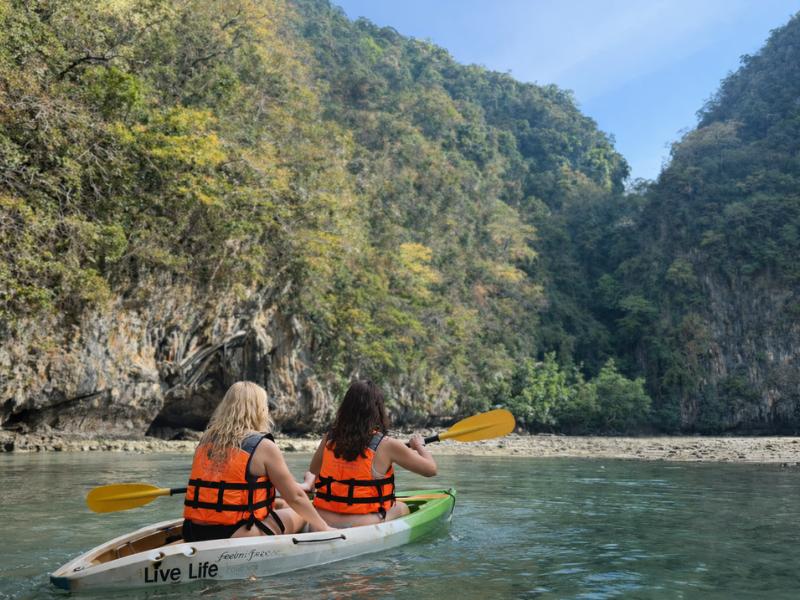
Sea cave canoeing in Krabi involves paddling a sit-on-top kayak through narrow limestone tunnels that cut through karst islands, emerging into enclosed open-sky lagoons called hongs. The caves are accessible only at certain tide heights, which is why the guide’s tide knowledge matters as much as the paddling. People do it because there is no other way to reach these spaces: they exist inside the rock, invisible from the water outside, and a kayak at the right tide is the only ticket in.
The word hong is Thai for “room.” That’s exactly what you find inside a sea cave at high tide: a room. The ceiling closes in as you paddle through the tunnel, sometimes forcing you to lean back flat to clear the rock above, sometimes dropping so low the guide pulls the kayak through by gripping the walls with bare hands. Then it opens. The tunnel empties into a chamber that the outside world has no sight line into: limestone cliffs rising straight up for thirty, fifty, a hundred metres, a circle of sky above, the water still and green beneath you. The sound is different in there. The temperature drops slightly. Whatever was happening on the tourist circuit outside ceases to exist for the fifteen minutes you drift through the hong.
It’s not an adrenaline activity. There’s no white water, no technical skill requirement, no physical demand beyond sitting in a kayak while someone else navigates the dark passages. What it is, consistently, is the experience that Krabi travelers describe remembering most clearly ten years later. Not the beach at Poda Island, not the photograph at Phra Nang Cave, not even the Tup Island sandbar: the moment the tunnel opened into the hong, and the silence came.
Krabi sits at the northern edge of the Phang Nga Bay limestone system, one of the most cave-riddled marine environments in Southeast Asia. The bay between Krabi and Phuket contains over forty karst islands, many of them hollow in exactly this way: collapsed ancient cave systems now open to the sky but sealed from outside view. The sea caves accessible from Krabi’s coast are part of this same geological formation. Every hong you enter is a space that formed over hundreds of thousands of years and can be reached in a kayak in under an hour from Ao Nang.
We’ve put together a full boat tour breakdown in our Krabi boat tours guide so you know exactly which experience fits your budget, group size, and how much of the Andaman coast you actually want to cover in a single day.
Where Are the Best Sea Cave Canoeing Spots Near Krabi?
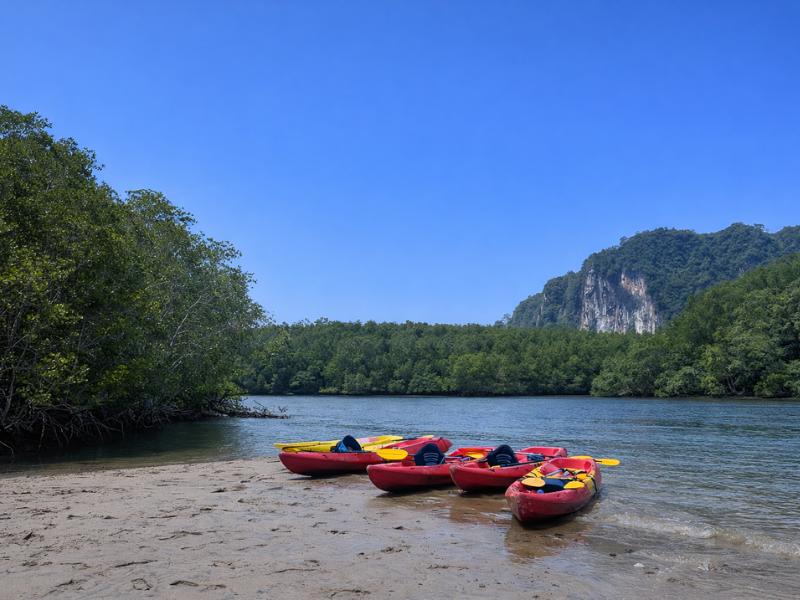
Three main sea cave canoeing areas are accessible from Krabi: Ao Thalane Bay (20 minutes from Ao Nang, mangrove channels, canyon walls, wildlife), Bor Thor sea caves (60 minutes north, limestone cave rivers with 3,000-year-old prehistoric paintings), and Phang Nga Bay (90-minute road transfer, the most dramatic hongs on the Andaman, usually combined with James Bond Island). Each offers a distinct environment. Ao Thalane is the closest and most accessible. Bor Thor is the most historically significant. Phang Nga Bay is the most visually dramatic.
Ao Thalane Bay is where most Krabi-based sea cave tours operate, and for good reason. The bay sits 20–25 minutes by road from Ao Nang, the mangrove channels are sheltered from any ocean swell, and the combination of environments on a single half-day route is genuinely varied: open-water paddling past limestone karsts, then into the narrow mangrove channels where the canopy closes overhead and the water goes shallow, then back out through cliff overhangs and cave entrances into canyons that rise vertically on both sides. Macaque monkeys occupy the mangrove roots and watch passing kayaks with studied indifference. Kingfishers cross the channels at the edges of visibility. The whole route runs 8-10 kilometres in calm, protected water.
Bor Thor sea caves offer something neither Ao Thalane nor Phang Nga Bay provides: documented human history inside the limestone. The cave system at Tam Lod includes Pee Hua Too cave, where prehistoric paintings of humans and animals, believed to be 3,000 years old, cover the walls alongside a collection of large human skull discoveries that give the cave its name (pee hua too means “ghost with a big head” in Thai). Paddling into a cave and looking at images painted by people who lived here three thousand years ago produces a very different state of mind than paddling past stalactites. Bor Thor is 60 kilometres north of Ao Nang, about an hour’s transfer. Not all operators run this route; it’s worth asking specifically.
Phang Nga Bay hongs are the benchmark that every other sea cave experience in Thailand is measured against. Koh Panak in particular has multiple cave systems: Bat Cave (its ceiling dense with roosting fruit bats), Diamond Cave (named for stalactite formations that catch the light), Oyster Cave, and the Mangrove Cave, each connecting through tunnels to internal hongs of different sizes and characters. The largest hongs on Panak are enclosed chambers with 100-metre cliff walls and their own micro-ecosystems: macaques, water monitors, kingfishers, sea eagles. The trade-off from Krabi is the 90-minute road transfer each way.
| Ao Thalane Bay | 20-25 min by road | Half-day, wildlife, mangroves | Mangrove channels, canyon walls, macaques |
| Bor Thor sea caves | 60 min by road | History, cave paintings, dramatic tunnels | 3,000-year-old prehistoric cave paintings |
| Hong Lagoon (Krabi islands) | 20-45 min by boat | Combined with Hong Island day tour | Enclosed emerald lagoon, kayak-only access at low tide |
| Phang Nga Bay (Koh Panak) | 90 min road + 30-45 min boat | Most dramatic hongs, combined JB Island | Bat Cave, Diamond Cave, 100m cliff hongs |
How Much Does Sea Cave Canoeing in Krabi Cost in 2026?
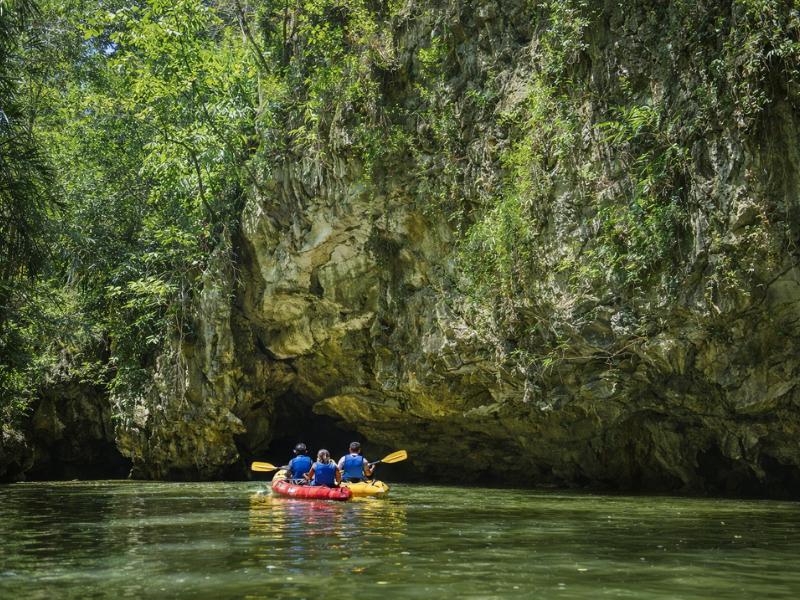
Ao Thalane half-day kayaking tours start at 895-1,200 THB per person and include hotel pickup, a guide, kayaks, and life jackets. Full-day tours with lunch run 1,500-2,500 THB. Bor Thor sea cave tours run 1,200-1,800 THB for a half-day including transfer. Phang Nga Bay combined tours from Krabi cost 1,300-2,900 THB depending on inclusions. None of these typically include national park fees where applicable; budget 200-300 THB per adult for parks that require entry.
The price gap between the cheapest and most expensive sea cave tours at the same location is not random. At Ao Thalane, the difference between an 895 THB tour and a 1,500 THB tour is usually group size and guide quality. Budget operators run groups of 15-20 in a convoy that moves through the channels together: the wildlife spots you in the first kayak and is gone before the fifth. Quality operators cap groups at eight to ten and move slowly enough for the guide to point out animals, explain the ecosystem, and let the cave silence register before moving on.
| Ao Thalane half-day | 895-1,200 | 4-5 hours | Pickup, guide, kayak, life jacket |
| Ao Thalane full-day | 1,500-2,500 | 7-8 hours | Above + lunch, extended canyon route |
| Bor Thor sea cave half-day | 1,200-1,800 | 4-6 hours | Pickup (60 min), guide, kayak, lunch at Bor Thor seafood |
| Bor Thor full-day + Tha Pom | 1,800-2,500 | 7-8 hours | Above + swimming at Tha Pom freshwater stream |
| Phang Nga Bay (from Krabi) | 1,300-2,900 | 8-9 hours | Minivan + boat + canoeing + lunch + James Bond Island |
| Hong Lagoon kayak (add-on) | 100-200 | 30-60 min | Add-on to Hong Island tour; kayak rental at island |
Treat these as dated examples. Check your travel date for current totals and each product's listed fee inclusions.
If you want both experiences, book them separately and check each schedule; the supplied Hong Islands option offers kayaking only as a paid addition. Treat them as separate outings; no supplied evidence confirms a same-day connection or combined total. If you would rather book both legs than piece them together, start with the mangrove canyon kayak and add the Hong Islands speedboat tour for the lagoon.
First time choosing between Krabi’s island-hopping options and not sure which route deserves your one full day on the water? Here’s our Hong Islands vs 4 Islands guide so you don’t default to the wrong one.
What Is Actually Included in a Krabi Sea Cave Canoeing Tour?
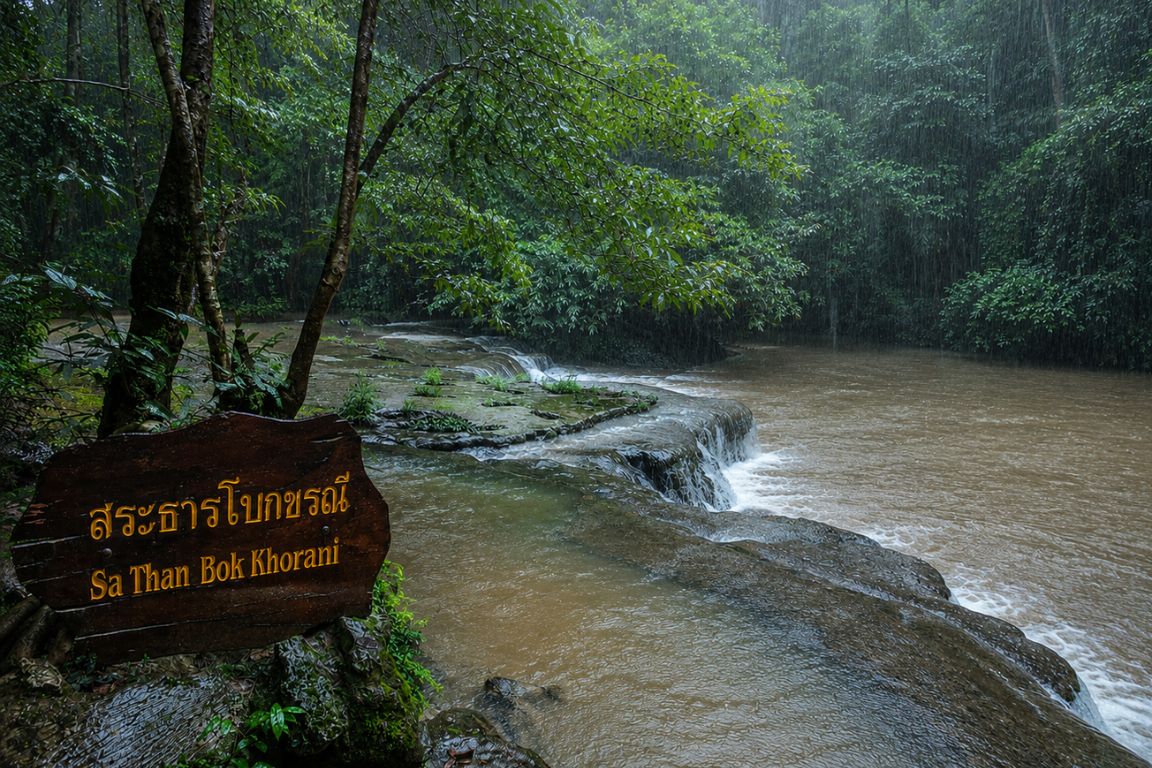 For the Bor Thor option shown here, listed inclusions are guiding, transfers from specified Krabi areas, safety equipment, a life jacket, lunch, water, fruit, first aid, and accident insurance. Dry bags and park-fee terms are not listed.
The guide doing the paddling inside the caves deserves more explanation because it shapes the experience significantly. In standard sea cave canoe tours, you sit in the front of a two-person kayak. The guide sits behind you, paddling. Inside the cave tunnels, the guide switches to guiding the kayak by hand, gripping the rock walls and pulling the boat through passages that can be less than a metre high at mid-tide. You lie back, watch the ceiling slide past centimetres above your face, and emerge into the hong without having done anything technical. This model means the experience is accessible to anyone who can sit in a boat and is not anxious about enclosed spaces.
Self-paddling kayaks are the format at Ao Thalane, where the channels are open enough that independent paddling makes sense. You lead yourself through the mangroves with a guide nearby, which requires more physical engagement and produces a different kind of satisfaction. The route is not technically demanding, but it’s around 8-10 kilometres over 3-4 hours, and you feel it in your arms and shoulders by the end. This is the sea cave experience that gets described as “a proper workout but worth it” in reviews. It’s also the format that lets you move at your own pace, pause when you hear a kingfisher, and stay longer in the canyon sections that earn the most superlatives.
Want to know what’s included in the price and what gets quietly added on when you board the boat? Here’s our Krabi 4 Islands tour guide so there are no surprises on the day.
How Difficult Is Sea Cave Canoeing in Krabi – Can Anyone Do It?
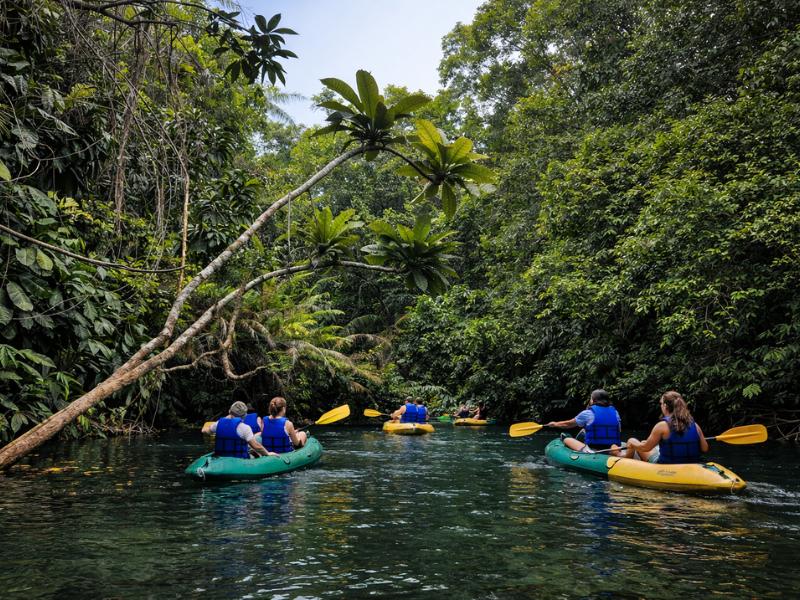
For guided cave tours where the operator paddles, the physical requirement is almost zero: you sit in the kayak, stay relaxed in low passages, and enjoy the environment. For self-paddled tours like Ao Thalane, moderate fitness is needed: 3-4 hours of paddling over 8-10 km in calm water. Neither format requires prior kayaking experience. Both are accessible to most adults. Not recommended for pregnant women or those with serious back, neck, or heart conditions. Claustrophobia is the practical variable worth thinking about before booking.
The claustrophobia question comes up in almost every sea cave tour review thread, and the honest answer is: some cave passages are very tight. The ceiling can come within a foot of your face. You cannot sit upright. The guide tells you to lean back and breathe, and the passage is usually over in ten to thirty seconds, but if enclosed spaces at that proximity produce genuine distress, this is worth knowing before you’re inside a limestone tunnel with no way to turn around.
Experienced operators will tell you honestly whether their specific route includes passages that require lying flat, and most can route around the tightest sections if needed. The Ao Thalane tour has no passages that require lying flat: the cave overhangs are navigable sitting upright. The Bor Thor and Phang Nga Bay tours can include tight passages depending on tide height. Ask your operator specifically before departure, not after you’re already committed to the cave entrance.
Age limits vary by operator; the Bor Thor option shown here starts child tickets at age four. The sit-on-top kayak format makes it easy to have a child in front of you while the guide paddles from behind. Children who have been nervous about the cave briefing typically find the actual experience far less intimidating than the description: the passages are short, the guide is calm, and the hong that opens on the other side produces immediate awe that overrides whatever anxiety preceded it.
Family boat tours in Krabi need different planning than adult-only trips – our Krabi boat tours with kids guide breaks down the best age-appropriate routes, what to watch out for on the water, and which operators genuinely cater to families.
| Guided cave canoe (Bor Thor, Phang Nga) | Very low: guide paddles inside caves | Medium: some passages require lying flat | None |
| Self-paddle kayak (Ao Thalane) | Moderate: 3-4 hrs over 8-10 km | Low: no passages require lying flat | None, but basic paddle technique helps |
| Hong Lagoon kayak (add-on) | Low: short paddling distance | Medium at low tide: narrow rock gap entrance | None |
| Full-day Bor Thor + Tha Pom | Moderate: longer day, more paddling | Medium | None |
What Wildlife and Formations Can You Actually See Inside the Caves?
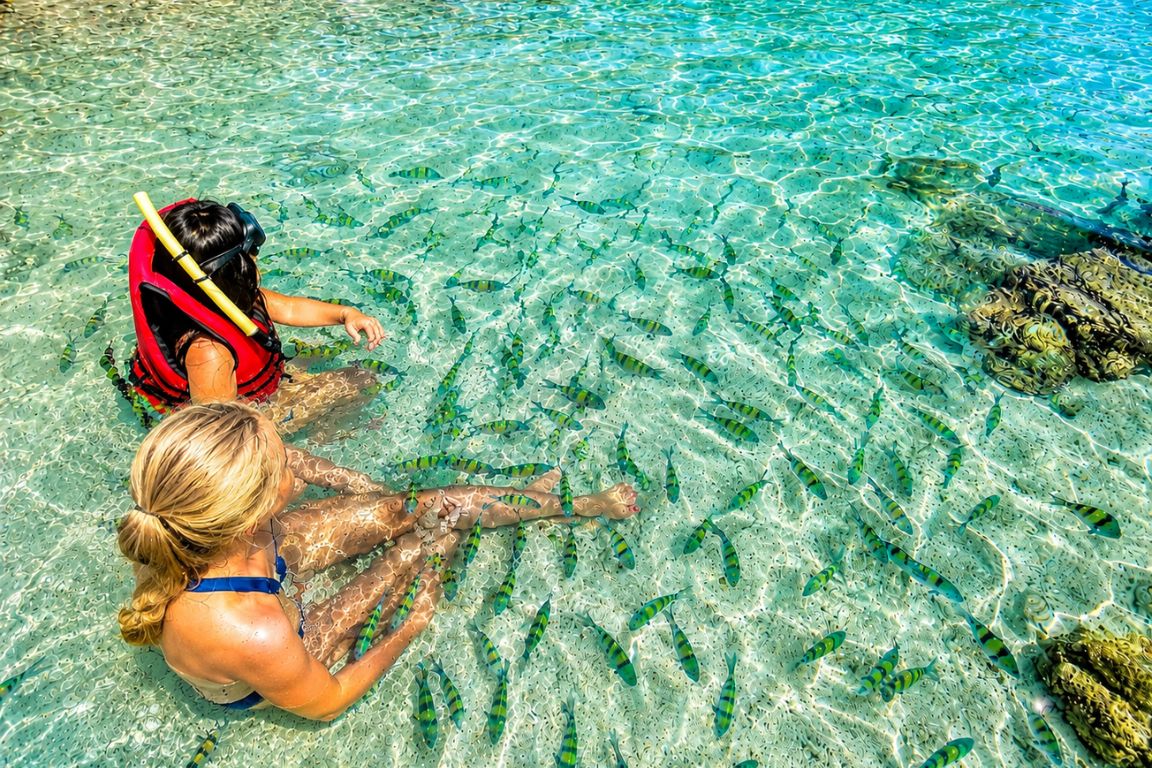 Inside the sea caves and hongs around Krabi, you’ll encounter stalactites and stalagmites, roosting fruit bats, oyster colonies crusting cave walls, macaque monkeys in the lagoon vegetation, water monitors, kingfishers, sea eagles, brahminy kites, and – at Bor Thor – prehistoric cave paintings believed to be 3,000 years old. In the mangrove channels of Ao Thalane, fiddler crabs, mudskippers, and crab-eating macaques are reliable sightings. Bioluminescent plankton appears in cave passages on certain moonless nights.
The bats are the detail that catches most first-time cave visitors off guard. In Phang Nga Bay’s Bat Cave (Tham Lod) on Koh Panak, the population of roosting fruit bats numbers in the thousands. The cave ceiling is dense with them, packed together, their collective smell significant but not overwhelming if you’ve been warned. They don’t dive at passing kayaks. They hang and rustle, occasionally shifting position, occasionally dropping before recovering flight. Paddling underneath them by headlamp with the cave walls dripping and the bats overhead: this is the moment most travelers who have done it describe as unlike anything else they’ve experienced.
Stalactites in sea caves are different from the formations in dry caves. The constant humidity and tidal action produce mineral deposits in colors that wouldn’t exist in a drier environment: rose-colored formations shaped like scallop shells, pale green calcite sheets, formations that catch headlamp light and scatter it across the cave wall. The Diamond Cave on Koh Panak gets its name from exactly this effect: a chamber where the stalactite density and mineral composition produce a scatter of light points that approximates the interior of a geode.
The mangrove wildlife at Ao Thalane deserves specific mention because it’s what separates this route from a pure cave experience. Crab-eating macaques live in the mangrove roots and forage at low tide. They are accustomed to kayaks and will approach within a few metres before deciding you’re not interesting enough to monitor. Kingfishers are present throughout the channels, identifiable by their electric blue flash at the edge of the waterway. Gibbons call from the limestone ridges above the bay. Otters have been reported periodically but remain rare. The mangrove ecosystem produces a different quality of wildlife encounter than the limestone caves: more variable, more dependent on tide and time of day, and completely absent from any beach or island tour itinerary.
Want to make underwater exploration a proper focus of your Krabi trip rather than just a bonus between island stops? Here’s our marine life in Krabi guide so you plan around the best sites.
What Do Travelers Consistently Get Wrong About Sea Cave Canoeing in Krabi?
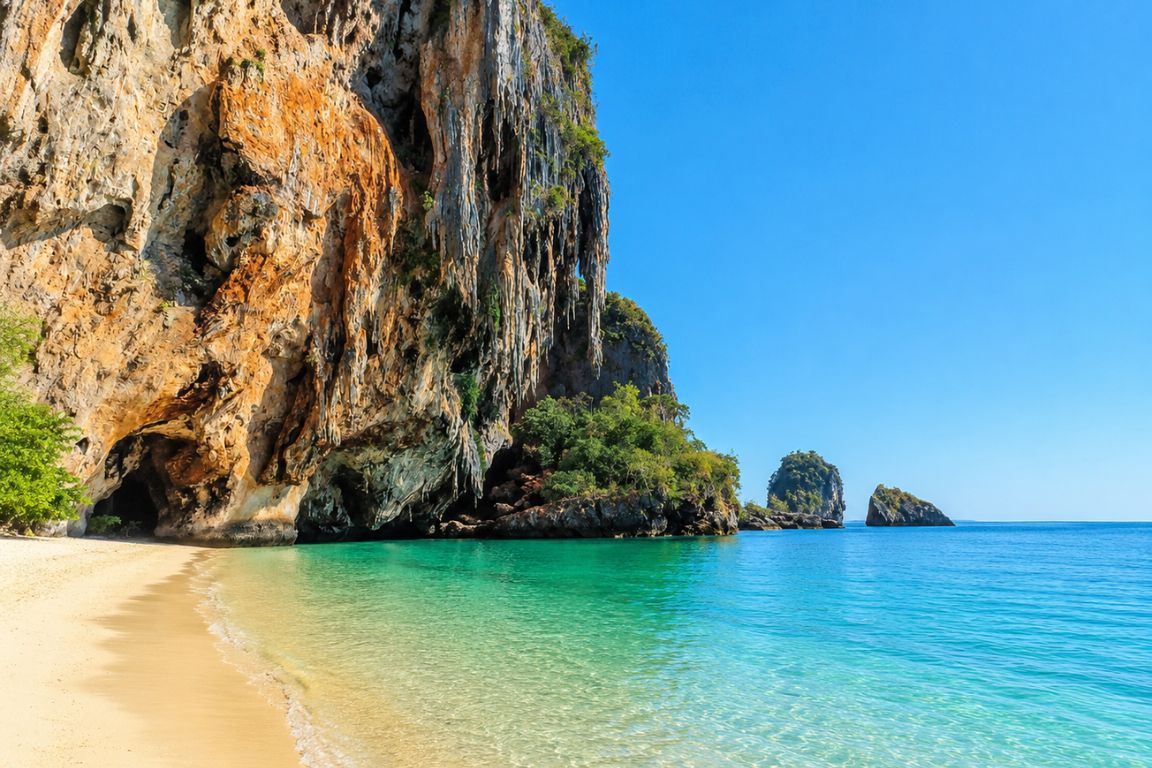 The three most consistent sea cave canoeing mistakes: booking without checking whether the operator accounts for tide timing, underestimating how different the Ao Thalane and Phang Nga Bay experiences are and booking the wrong one for their interests, and treating it as a secondary activity rather than one of the day’s main events. A fourth pattern specific to cave tours: carrying phones in hands rather than dry bags, and losing them to a low rock or a sudden shift in the kayak.
Tide timing is the variable that separates a good sea cave experience from a disappointing one in ways that no amount of operator quality can fix. Sea caves and hongs are only accessible at certain tide heights. Too low: the passage is blocked by rock. Too high: the entrance disappears under water entirely. The window is typically two to three hours around high tide for most cave entrances. An operator who checks the tide table and plans the cave stops accordingly produces a fundamentally different tour from one who runs the same fixed schedule regardless of conditions. The simple question before booking: does this operator check the tide before building the day’s itinerary? If the answer is unclear, ask more directly.
Underestimating the difference between Ao Thalane and Phang Nga Bay is the second mistake. They sound similar in booking platform descriptions: sea cave canoeing, limestone karsts, mangroves, wildlife. The actual experiences are distinct. Ao Thalane is intimate, paddled in calm mangrove channels, wildlife-focused, no road transfer, half-day. Phang Nga Bay is dramatic, the hongs are larger and more enclosed, the bat population is a genuine spectacle, but it requires a 90-minute road transfer each way from Krabi. A traveler who books Phang Nga Bay expecting the Ao Thalane experience (accessible, short, no crowds) gets frustrated. A traveler who books Ao Thalane expecting Phang Nga Bay drama (100-metre cliff walls, enormous bat colonies) is underwhelmed. Read the specific route description before booking, not just the category.
The phone situation is consistent enough to warrant its own sentence. Inside a sea cave tunnel, you are lying back with your face centimetres from the ceiling. Your phone, if it’s in your hand or shirt pocket, will hit the rock. Most tours provide dry bags. Use them. Put your phone in the dry bag before the first cave entrance, not after the second one.
Is Sea Cave Canoeing in Krabi Worth Adding to Your Itinerary?
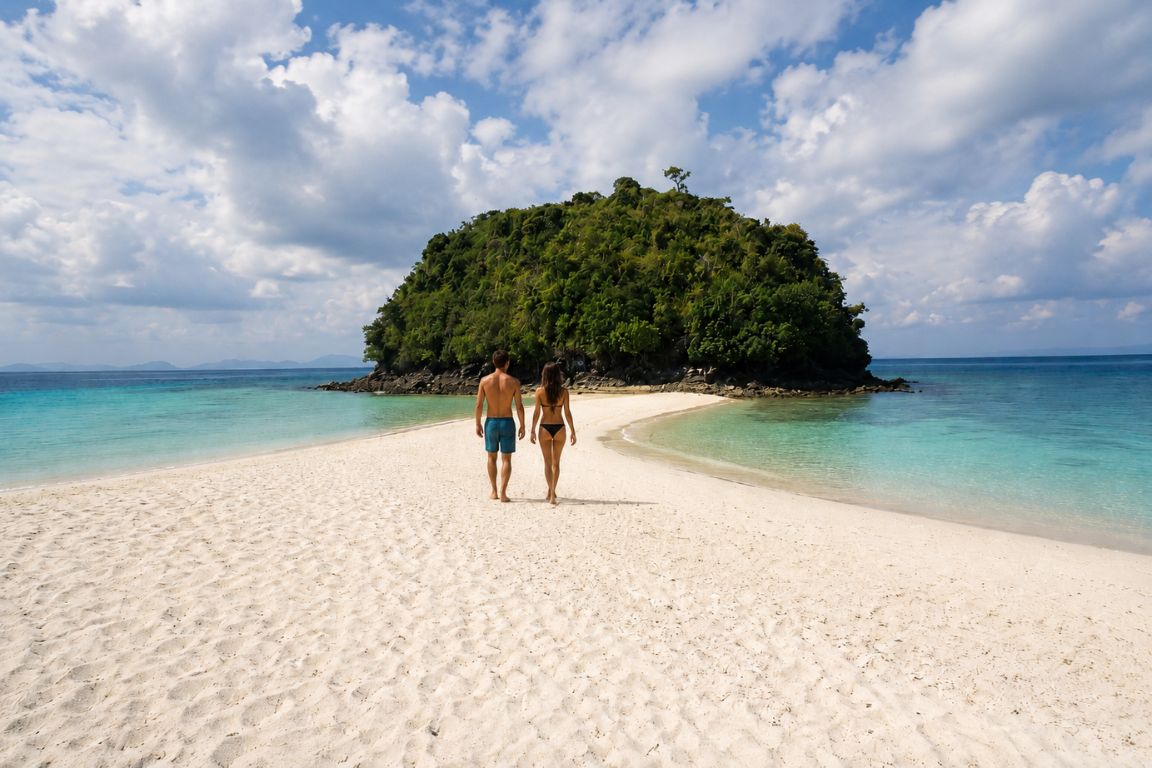 Yes, for almost every traveler visiting Krabi, sea cave canoeing produces a type of experience that no other activity on the Krabi circuit replicates. It’s the activity with the highest proportion of “this was the best thing I did in Thailand” reviews, and it works for virtually all fitness levels. The Ao Thalane half-day at 895-1,200 THB is the most accessible entry point: close, affordable, no road transfer, and genuinely memorable. The Bor Thor caves add historical depth. Phang Nga Bay adds scale. At least one cave tour belongs on any Krabi itinerary of three days or more.
The activity that consistently produces the most unexpected emotional impact in Krabi is not the beach, not the limestone scenery viewed from a boat deck, not even the sandbar at Tup Island. It’s the moment inside the hong when the paddling stops, the guide lets the kayak drift, and the silence arrives. Surrounded by 50-metre walls of ancient karst, a circle of sky above, no engine noise, no other boats: this is a space that requires a kayak to find and rewards the finding with something that doesn’t exist anywhere else in the itinerary.
For travelers who are physically limited, the guided-paddle cave format removes almost all barriers. You sit. Someone else navigates. The cave opens. Even travelers who were initially reluctant consistently describe the experience as the one thing they’re glad they didn’t skip. The Ao Thalane half-day in particular gets this review pattern repeatedly: “I almost didn’t book it and I’m really glad I did.”
The practical recommendation for building sea cave canoeing into a Krabi itinerary: Ao Thalane morning, Hong Island afternoon with lagoon kayak add-on. This covers both the mangrove cave ecosystem and the open-ocean hong experience in a single long day from Ao Nang. Alternatively, Bor Thor as a standalone full-day experience for travelers who want the historical cave paintings dimension. Phang Nga Bay for travelers with an extra day and an interest in the most dramatic version of the hong experience. If you are still choosing a route, the Bor Thor mangrove and sea cave kayak is the historical cave day; the deep mangrove canyon kayak is the closer half-day option.
Want to structure your Krabi island hopping days into something more intentional than just booking whatever tour leaves next from the pier? Here’s our Krabi island hopping itinerary guide so you get the most out of every day on the water.
Sea Cave Canoeing Planning Checks
Decision factor What to compare Route preference Sea caves, mangroves, ancient paintings, or Phang Nga sightseeing Time commitment Four-hour mangrove paddle, five-to-seven-hour Bor Thor outing, or eight-hour Phang Nga day Practical details Transfers, equipment, meals, fees, age bands, and operator restrictions
Protect your phone before entering wet or confined areas, and confirm whether your chosen operator supplies a dry bag. Use the dry bag. The cave ceiling doesn’t care what phone you have.
Frequently Asked Questions
Do You Need Kayaking Experience for Sea Cave Canoeing in Krabi?
No. Most cave-specific tours use a two-person sit-on-top kayak where the guide paddles from behind and navigates inside the caves by hand. You don’t paddle inside the tunnels. For self-paddle tours like Ao Thalane, no prior experience is needed, but basic comfort with a paddle helps. Conditions vary by route and day; review the operator's participation details before booking.
What Is a Hong and How Do You Access It?
A hong (Thai for “room”) is an enclosed open-sky lagoon inside a limestone karst island, accessible only through a narrow cave tunnel that cuts through the rock from the sea. At high tide, a kayak can enter through the tunnel. At low tide the passage is too shallow or blocked entirely. A guide with tide knowledge plans the visit to arrive during the accessible window, typically two to three hours around high tide.
What Is the Difference Between Ao Thalane and Bor Thor for Sea Cave Canoeing?
Ao Thalane (20 minutes from Ao Nang) is self-paddled, mangrove-focused, wildlife-rich, and runs in calm sheltered water with canyon walls and cave overhangs. No passages require lying flat. Bor Thor (60 minutes north) is a guided cave tour with proper dark limestone tunnels, stalactites, and access to Pee Hua Too cave where 3,000-year-old prehistoric paintings are preserved on the walls. Bor Thor is more historically significant and more technically cave-like. Ao Thalane is more active and wildlife-focused.
Is Sea Cave Canoeing Suitable for People with Claustrophobia?
Depends on the severity. Some cave passages require lying completely flat with the cave ceiling centimetres above your face for 10-30 seconds before opening into the hong. For mild claustrophobia, most travelers manage it: the guide is calm, the passage is brief, and the hong on the other side is immediately rewarding. For severe claustrophobia, Ao Thalane is the better option: no passages require lying flat, and the cave overhangs are navigable sitting upright.
What Should I Bring on a Sea Cave Canoeing Tour?
Reef-safe sunscreen (applied before departure), a rash guard or quick-dry top, water shoes or sandals that can get wet, a hat for the open-water sections, your phone inside the dry bag provided by the operator from the first cave entrance, and sufficient cash for any park fees not included in the tour price. Leave valuables at your hotel.
Can You See Bioluminescent Plankton on a Sea Cave Tour?
Yes, on specific night tours or late-afternoon tours that extend into evening. The Phang Nga Bay cave system on moonless nights produces bioluminescent plankton in the cave passages: paddling through a dark tunnel and watching the water glow blue-green with each stroke of the paddle is one of the most described highlights of the region. The supplied Krabi options pair bioluminescence with swimming or night snorkeling, not sea-cave canoeing. Check tour descriptions specifically for bioluminescence rather than assuming it’s part of any sea cave tour.
Written by Ryan Supakorn
Thai tour guide since 2011 · Founder, Krabi Boat Tours
Ryan has guided over 11,700 travelers through Krabi’s islands, lagoons, and coastline since founding the agency.
Check Bor Thor on your actual travel date before arranging other plans.
Match the outing to your plans
Blank fields keep the initial suggestion. Age pricing alone does not confirm suitability; if eligibility is unverified, the tool will not recommend a match. Check pickup and restrictions for your selected package.
Compare two total quotes
Use current quotes in the same currency, including park fees, transfers and option extras.
Initial recommendation. Adjust the optional choices to match your plans.
Krabi Bor Thor Eco Sea Cave Kayaking Experience
Choose a five-to-seven-hour format with sea-cave kayaking, mangroves, ancient paintings, transfers, equipment, guiding, and lunch.
5h–7h · English guide listed · Guided cave kayaking, lunch and listed transfers. Railay visitors must reach Ao Nam Mao independently. · Confirm your selected option’s pickup, inclusions, fees and participant restrictions before booking.
Choose a date to view the published schedule. Confirm availability and final price on Viator.
No reviewed option matches these choices.